
What are binaural beats and how do they work?
The short answer
Binaural beats are an auditory illusion: when each ear hears a slightly different tone, the brain perceives a beat at the difference between them. People use them to relax, focus or sleep. Research is mixed, with one meta-analysis reporting a medium overall effect and a systematic review of EEG studies finding inconsistent results.
Key points
- Two tones, one per ear, create a perceived beat at the difference.
- You need stereo headphones, because each ear must hear its own tone.
- A meta-analysis of 22 studies reported a medium overall effect.
- A 2023 review of 14 EEG studies found inconsistent results.
- Headaches or ear discomfort can occur, and people with epilepsy should ask a doctor first.
Contents (10)
Introduction
Everyone is looking for ways to relax, focus or sleep more soundly, and binaural beats have gained attention as one option. You may have seen apps or videos promoting these sounds as a way to change your mood or mental state. This guide explains what binaural beats are, how they work and what the research says.
What Are Binaural Beats?
Defining Binaural Beats
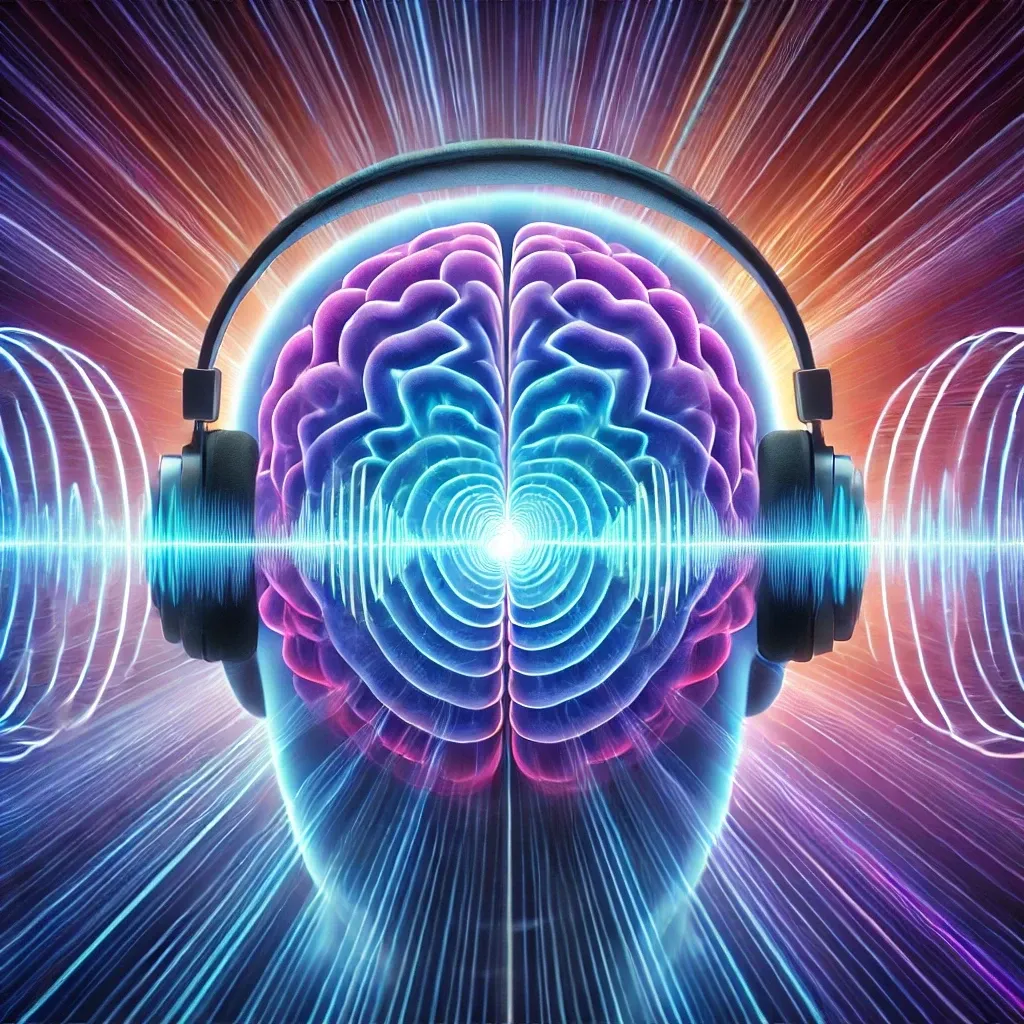
Binaural beats occur when each ear hears a slightly different frequency, usually through headphones. Your brain perceives a beat that does not exist in the outside world. If you play a 400 Hz tone in one ear and a 410 Hz tone in the other, you perceive a 10 Hz beat.
Brief History of Binaural Beats Research
According to a 2023 systematic review, research on binaural beats started as early as 1839, when H. W. Dove first described the phenomenon. The same review identifies the superior olivary complex, the first point on the auditory pathway to receive input from both ears, as the main brain structure involved in perceiving the beat.
Different Types of Brainwaves
Your brain’s electrical activity is grouped into five main types of brainwaves, usually described by frequency. The idea behind binaural beats is that they may interact with these rhythms.
- Delta waves (0.1-4 Hz): associated with deep sleep and relaxation.
- Theta waves (4-8 Hz): linked with creativity, meditation and REM sleep.
- Alpha waves (8-13 Hz): related to a relaxed yet focused state of mind.
- Beta waves (13-30 Hz): present when you are alert, active and problem-solving.
- Gamma waves (30-100 Hz): thought to be involved in learning, cognition and memory.
How Do Binaural Beats Work?
The Science Behind Binaural Beats
When a different frequency reaches each ear, the brain combines them and perceives a third, “phantom” beat at the difference. The frequency following response is the idea that brain activity tends to follow the frequency of such a rhythm. Whether that happens reliably is still being tested.
How Binaural Beats Affect Brainwaves
Binaural beats are designed to encourage the brain to follow an outside rhythm. Depending on the frequency range used, listeners may feel relaxed, more alert or sleepy, but this is not the same for everyone.
Auditory Illusion and Frequency Differences
The binaural beat is an auditory illusion. The beat is not in either tone. It appears as the brain compares the two sounds.
Benefits of Binaural Beats
A meta-analysis of 22 studies reported a medium overall effect of binaural beats across memory, attention, anxiety and pain perception, with results depending on the frequency used, how long people listened and when. In contrast, the 2023 systematic review above found inconsistent results when it looked at brain activity measured by EEG. Keep that range in mind as you read the points below.
Mental Clarity and Focus
A commonly reported benefit is a sense of increased focus and concentration. People often choose beta and gamma tracks for this purpose.
Reducing Anxiety and Stress
Many people use alpha or theta tracks to feel calmer, for example to unwind after a long day. The meta-analysis above included anxiety among its outcomes, so there is some research behind this use, though results differ between studies and between people.
Improving Sleep Quality
Delta tracks are linked with deep sleep, and some people with restless nights use them to wind down. This article cites no research showing that they improve sleep, so treat it as something to try and not as a treatment.
Meditation and Mindfulness Enhancement
For people who meditate, binaural beats can be a pleasant background for their practice. Many meditators choose theta tracks to help them settle and turn their attention inward.
Cognitive Function and Memory Boost
Memory and attention were among the outcomes in the meta-analysis above, which is one reason students and professionals try gamma or beta tracks. Effects were not the same across all studies.
How to Use Binaural Beats Effectively
Finding the Right Frequency
Choosing the right frequency depends on your goal. For example, people often choose theta for creative or meditative sessions and alpha for calm focus.
Best Practices for Listening
Use quality stereo headphones and listen somewhere quiet with few distractions. Keep the volume comfortable.
Duration and Consistency
Binaural beats are not a quick fix. Many people listen for 15 to 30 minutes a day and keep a note of how they feel over a few weeks.
Using Binaural Beats with Headphones
Stereo headphones are essential because binaural beats rely on a separate tone reaching each ear. Without headphones, the effect cannot be created.
Are Binaural Beats Safe?
Potential Risks and Side Effects
People who are sensitive to sound may feel discomfort when listening. Headaches, dizziness or ear discomfort can occur if the volume is too high or the sound feels too intense. Lower the volume or stop if that happens.
Who Should Avoid Binaural Beats?
People with epilepsy or those prone to seizures should speak with a medical professional before using binaural beats.
Debunking Myths about Binaural Beats
Common Misconceptions
A common myth is that binaural beats can instantly fix mental health disorders. They may help some people relax or focus, but they should not replace professional care.
Scientific Skepticism and Studies
Many users report benefits, but the research is mixed, as the two reviews above show. More research is needed to understand what binaural beats can and cannot do.
Conclusion
Binaural beats offer a simple, low-effort way to experiment with relaxation, focus or sleep. They may suit you, or they may not, and research is still mixed. If you try them, keep expectations modest, be consistent and be patient.
Frequently asked questions
What are the best frequencies for meditation using binaural beats?
Many meditators choose theta (4-8 Hz) tracks for meditation and mindfulness, but there is no single best setting. Try a few and see what feels comfortable.
Can binaural beats cure mental health disorders?
No. Binaural beats may help some people relax or focus, but they are not a medical treatment for mental health conditions.
How long should you listen to binaural beats to see results?
Many people listen for 15 to 30 minutes a day, and some say they notice effects after a few weeks. Results vary, and some people notice nothing.
Can binaural beats help with focus and productivity?
Some people use beta and gamma tracks to help them concentrate. A meta-analysis reported effects on attention and memory, but results across studies are mixed.
Is there any scientific proof that binaural beats work?
The evidence is mixed. A meta-analysis reported a medium overall effect, while a systematic review of EEG studies found inconsistent results. Many people report benefits, but more research is needed.