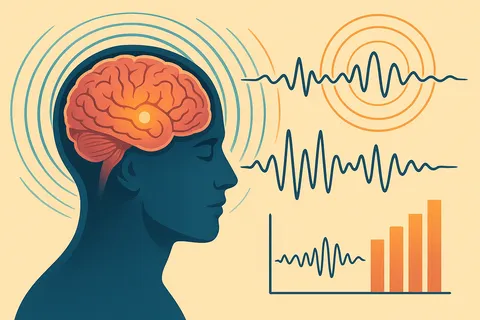
What Research Supports Brainwave Entrainment?
What research says about brainwave entrainment, including a 2023 systematic review with mixed results, one anxiety trial, and where evidence is limited.

Brainwave entrainment is the idea that the brain can be nudged toward a certain rhythm by a steady outside beat, such as a pulsing tone, a flickering light or a pair of slightly different tones played in each ear. The brain produces electrical activity that is often grouped into bands called delta, theta, alpha, beta and gamma, and each band is loosely linked with states like deep sleep, drowsy calm, relaxed focus or alert thinking. Entrainment audio tries to guide you toward one of those states by repeating a rhythm at the matching pace. The best known form is the binaural beat, which needs stereo headphones. Many people find these tracks pleasant for winding down, settling into meditation or working with fewer distractions, and some simply enjoy the sound. Research so far is mixed, small in scale and often hard to compare, so it is fair to treat entrainment as a relaxation tool rather than a treatment for any condition. Comfort matters too: keep the volume low, stop if you feel uneasy, and speak with a doctor first if you have epilepsy or another health concern. The articles below explain how the technology works, which types exist, what the research says and how to choose and use a program with care.
What research says about brainwave entrainment, including a 2023 systematic review with mixed results, one anxiety trial, and where evidence is limited.
What two reviews report about rhythmic sound stimulation and mood, how people use different frequencies, and practical listening tips.

An overview of how alpha and theta entrainment is used to support creative thinking, what the research says, and how a listening session can be structured.
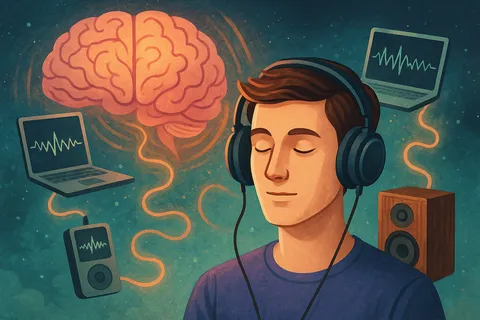
Where to find brainwave entrainment audio tracks, including apps, streaming platforms and free sources, plus tips on choosing and playing them well.
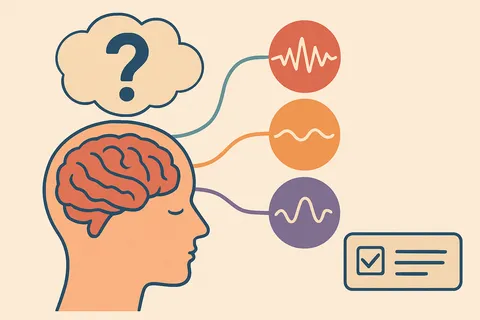
What to look for in headphones for brainwave entrainment, comparing over-ear, on-ear, in-ear and bone conduction designs, noise canceling and comfort.
A guide to choosing a brainwave entrainment program by goal, method and comfort, with points to compare before you commit to one approach.
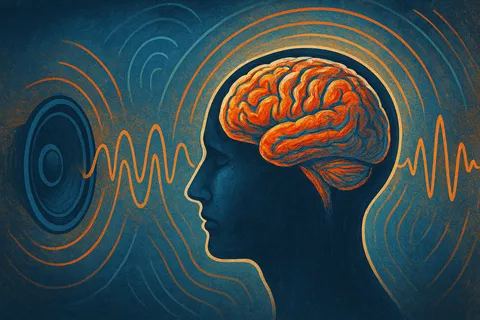
What binaural beats are, how two slightly different tones create a third perceived beat, and how they are used in brainwave entrainment for relaxation.

A look at how binaural beats and isochronic tones are used to support meditation, which brainwave states they target and how to set up a session.
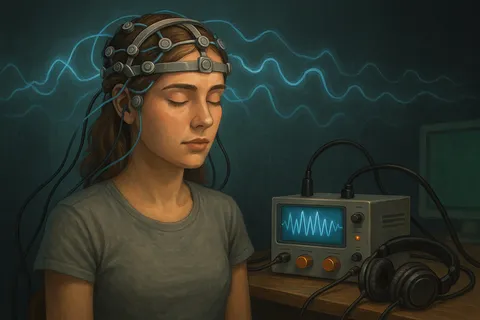
An overview of the technology behind brainwave entrainment, from audio devices and software apps to visual, wearable and virtual reality systems.
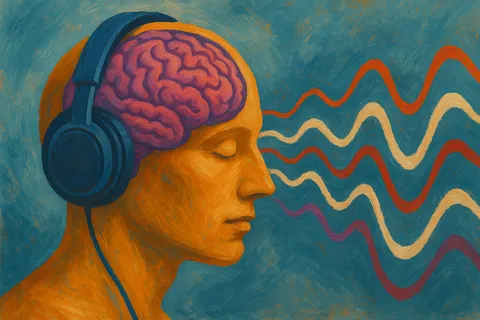
Typical session lengths for brainwave entrainment, how duration differs by goal such as sleep, focus or meditation, and how to build up your listening time.

How brainwave entrainment with slow delta and theta tones is used for sleep, which audio types people try, and what to consider before using it at night.

How often people use brainwave entrainment, how daily use compares with occasional sessions, and which signs suggest it is time to take a break.

Who should avoid or check with a doctor before brainwave entrainment, including people with epilepsy, heart conditions or pregnancy, and why caution matters.
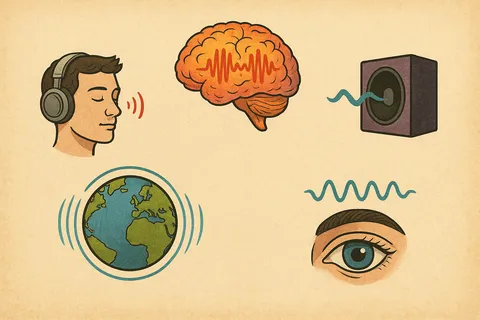
A comparison of binaural beats, monaural beats, isochronic tones and audio visual entrainment, with how each works and what it needs to be used.
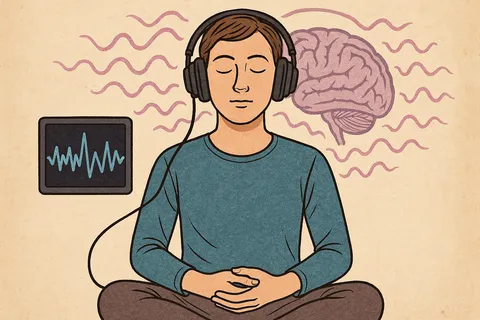
Safety guidance for brainwave entrainment: starting slow and short, choosing frequencies and audio, avoiding use while driving, and cautions around epilepsy.
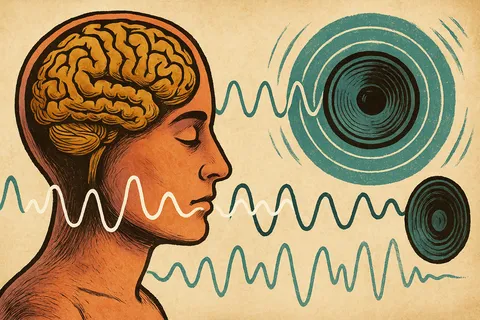
A plain explanation of the frequency following response, how sound and light rhythms nudge brain activity, and how the main entrainment methods differ.

How beta and gamma frequency audio is used for focus and concentration, which methods exist, and what to know about safety and realistic expectations.

A summary of the benefits people associate with brainwave entrainment, including relaxation, sleep and focus, and how the evidence for each is described.

What binaural beats are, how two slightly different tones create a perceived third beat, and what research says about their effects on the brain.
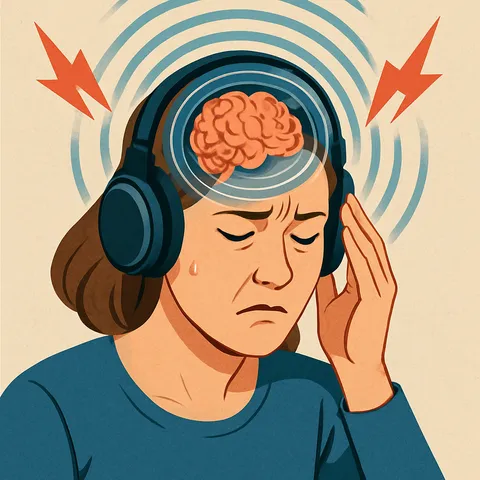
Reported side effects of brainwave entrainment, such as headaches, dizziness and overstimulation, why they can occur, and simple ways to reduce the risk.