
What are the best non-digital tools for relaxation?
The short answer
Good non-digital tools include breathing exercises, journaling, yoga and stretching, walking, aromatherapy and hands-on crafts such as knitting or painting. No single tool works for everyone, so it helps to try a few. Research on breathing exercises is preliminary, but all of these give your eyes and mind a break from screens.
Key points
- No single tool suits everyone, so try a few and keep what you enjoy.
- A 2022 review recommends a 20-second break every 20 minutes to rest your eyes.
- Slow breathing may help reduce stress, though the evidence NCCIH cites is preliminary.
- Crafts, gardening and walking give your hands and attention something other than a screen.
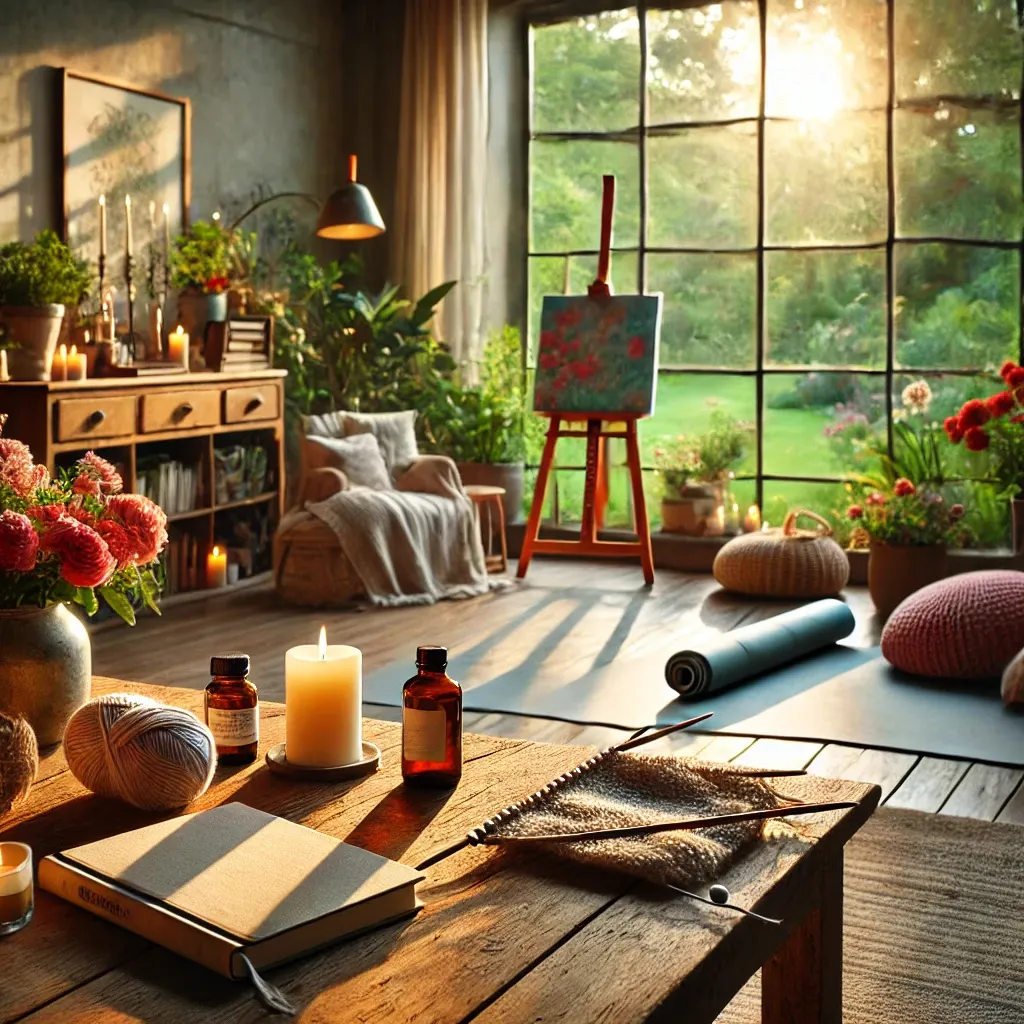
Contents (10)
Introduction
We’re bombarded with notifications, emails and social media all day, every day. There are plenty of apps that promise relaxation, but some of the best tools for calming your mind and body involve no screen at all. Non digital relaxation tools are a simple way to disconnect and feel more at ease.
So, which non digital tools are worth trying, and how can you use them in your daily life?
Why Non Digital Tools for Relaxation?
Digital Overload and the Consequences
Most of us know the feeling of being constantly connected. Work emails, social media notifications and streaming services all compete for our attention, and that can be draining. Long hours on screens are also linked with physical discomfort such as headaches and eye strain.
Disconnect
Sometimes the best way to recharge is to step away from screens altogether. Non digital relaxation tools give your mind and body a break, so you can focus on the present moment without distractions. They help you slow down and get back to yourself.
Physical Benefits of Non Digital Relaxation
Eye Strain
If you spend hours in front of a screen you’re probably familiar with the discomfort that comes with it. A 2022 review of digital eye strain lists irritated, dry and tired eyes and headaches among its symptoms, and recommends a 20-second break every 20 minutes to look at something 20 feet away. Putting the screen down for a crafting or reading session gives your eyes a longer rest still.
Focus and Mindfulness
Using physical objects like knitting needles, paintbrushes or gardening tools engages your mind and body in a way that digital tools can’t. This is mindfulness, the practice of being fully present, and many people find it brings a sense of mental clarity and relaxation.
Mental and Emotional Benefits of Non Digital Relaxation
Less Anxiety and Stress
Slow breathing is one of the simplest tools here. The US National Center for Complementary and Integrative Health reports that a 2019 review of 3 studies found preliminary evidence suggesting that diaphragmatic breathing exercises may help to reduce stress. Meditation, yoga or a simple walk in nature can help you slow down and let go of the thoughts racing through your mind.
Mental Clarity and Creativity
When you disconnect from technology, your brain gets time to wander and process things at a slower pace. Many people find that hands on activities spark creativity and give them a mental reset.
Top Non Digital Relaxation Tools
Here are some non digital tools to help you relax, unwind and recharge.
Hobbies and Crafts
Knitting and Crocheting
These old school hobbies are relaxing and meditative. The repetitive motion can calm the mind, and finishing a project gives you a sense of achievement.
Painting and Drawing
Expressing yourself creatively through art can be a relaxing outlet. Whether you’re doodling in a sketchbook or working on a bigger piece, creating something by hand is very soothing.
Pottery
Shaping clay into forms takes focus and patience, which helps you relax. Pottery is a tactile experience, and working with clay feels very grounding.
Nature Based Relaxation
Gardening
Gardening is a way to connect with nature and do something mindful with your hands. Many people find that tending to plants helps them feel calmer.
Walking and Hiking
Sometimes the best relaxation tool is as simple as a walk in nature. Whether it’s a gentle stroll around your neighbourhood or a hike in the woods, time outside can refresh your mind and body.
Physical Movement and Relaxation
Yoga and Stretching
Yoga and stretching are ways to relax your body and calm your mind. The gentle movements encourage deep breathing and release tension in the muscles.
Tai Chi
This ancient Chinese practice combines slow flowing movements with deep breathing. Many people use Tai Chi as a meditative form of exercise.
Sensory Relaxation Tools
Aromatherapy and Essential Oils
Aromatherapy has been used for centuries to relax. Scents like lavender, eucalyptus and chamomile are popular for winding down. Essential oils are usually used in diffusers or bath products.
Massage Tools
From foam rollers to handheld massagers, there are many non digital tools that can help ease muscle tension. A simple self massage with these tools is an easy way to unwind.
Meditative Practices
Meditation and Breathing Exercises
Mindfulness meditation and deep breathing exercises can help you feel centred. These require no digital devices and can be done anywhere, anytime.
Journaling
Writing down your thoughts and feelings can be a good way to release emotions. Journaling is a creative outlet for self expression and can help you process your thoughts more clearly.
How to Use Non Digital Tools in Daily Life
Incorporating non digital relaxation tools into your day doesn’t have to be hard. Start by setting aside a few minutes a day for a calming activity like knitting, journaling or stretching.
Using Multiple Tools at Once
You don’t have to limit yourself to one tool. Combining several non digital methods, like aromatherapy during a yoga session or journaling after a walk, can make the experience feel richer and more varied.
Common Mistakes to Avoid
Over Reliance on One Tool
It’s good to have more than one relaxation tool. Relying on just one can lead to frustration if it stops working for you.
Being Inconsistent
Consistency helps. Don’t wait until you’re stressed out to try these tools. Make relaxation part of your daily routine to stay balanced and calm.
Conclusion
Non digital relaxation tools are a welcome escape from screens, notifications and constant distraction. Whether you’re knitting a scarf, hiking or meditating, they give you time to connect with yourself in a busy world. Using them regularly may support your physical, mental and emotional wellbeing.
Frequently asked questions
What’s the best non digital relaxation tool?
There’s no one size fits all answer, because it depends on you. Yoga, journaling and aromatherapy are popular places to start.
How often should I use these tools?
A few minutes a day is a good start, and doing it daily helps it become a habit.
Can these tools help with sleep?
They may. Calming activities like gentle stretching, meditation or a quiet evening ritual can help you wind down, which many people find makes it easier to fall asleep.
Are non digital tools better than apps for relaxation?
Both have their uses. Non digital tools have the advantage of cutting screen time and giving you a break from notifications.
Do I have to spend a lot of money to try these tools?
No. Many non digital relaxation tools, like journaling or walking, are free. Others, like knitting supplies or a yoga mat, are modest purchases that last.