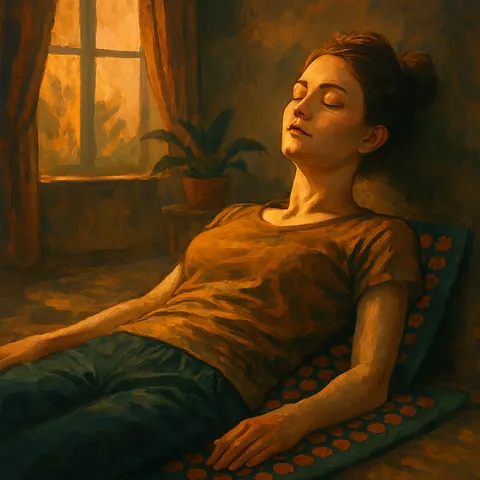
Can Acupressure Mats Relieve Stress?
What acupressure mats are, how people use them to relax, what one review of acupressure research found on anxiety, and who should be careful.

Meditation is the practice of training attention, usually by resting it on the breath, a sound, a word or the sensations of the body, and gently bringing it back when it wanders. It comes in many forms, from quiet sitting and mindful walking to guided visualization and mantra repetition. Research suggests that a regular practice may help some people feel less stressed and more settled, though results depend on the person, the method and how consistently it is done. It is not a cure for any condition, and anyone dealing with ongoing anxiety, low mood or trauma should feel free to seek professional support alongside it. Wellness is the wider picture: sleep, movement, time in nature, simple breathing exercises, journaling, food, rest and time away from screens all shape how we feel day to day. Small habits often work better than big plans, and a few minutes a day is a realistic place to begin. This section gathers practical, plain language guides on building a mindfulness routine, managing stress, looking after yourself with a busy schedule and trying gentler tools such as breathwork, herbal tea, grounding and time outdoors. Take what suits you, go at your own pace and stay curious about what helps.
What acupressure mats are, how people use them to relax, what one review of acupressure research found on anxiety, and who should be careful.
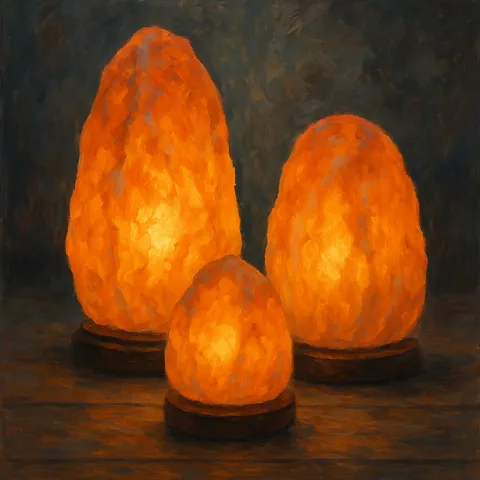
Do Himalayan salt lamps improve mood, sleep or air quality? What the claims are, what the evidence says, and why many people enjoy them anyway.
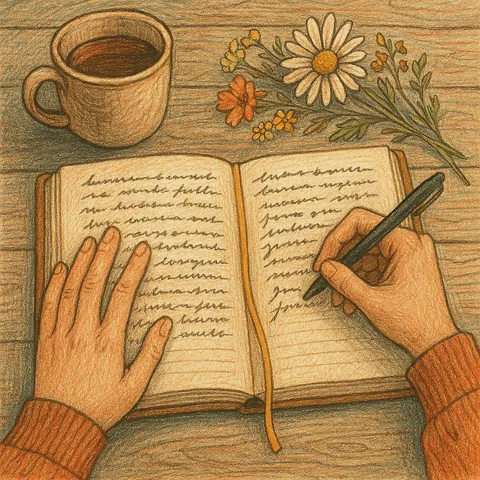
How journaling may support mental wellness, what a meta-analysis of expressive writing found, and simple ways to start your own journal.
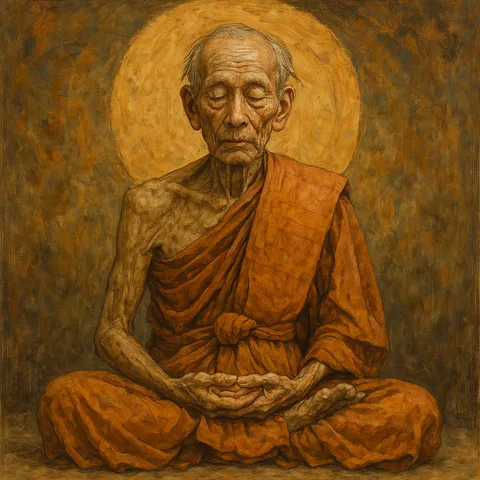
What long-term meditation practice may change over months and years, from focus and emotional balance to sleep, plus tips for keeping up the habit.
Simple tips for building a mindfulness routine, from breathing exercises and body scans to mindful walking, plus how to handle distractions.
Learn simple breathing exercises for stress, what the NHS and NCCIH say about slow breathing, and how to fit short sessions into your day.
How to use essential oils for relaxation with diffusers, massage and baths, what one review found on lavender and anxiety, and safety tips.
Natural approaches to anxiety, from herbs and mindfulness to diet, exercise and sleep, with honest notes on what research shows and when to see a doctor.
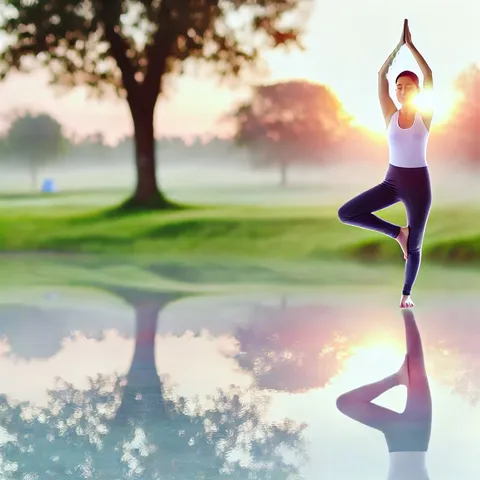
Popular yoga poses for stress, anxiety and low mood, what NCCIH says about the research, and how to start safely with no experience.

Grounding means direct contact with the Earth, like walking barefoot. See what early, small studies report, where the evidence is limited and how to try it.
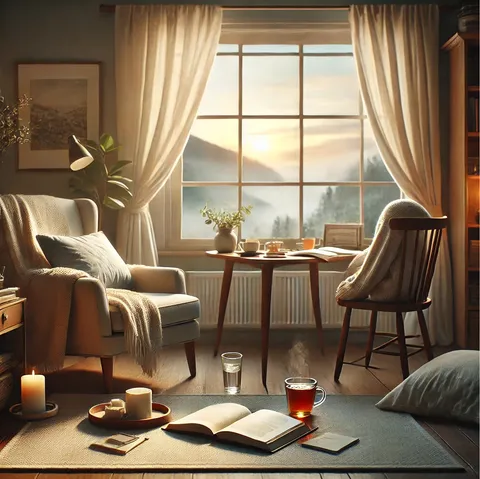
Practical self-care ideas for a busy schedule, including short daily routines, simple habits and ways to make time for rest and mental health.

A beginner's guide to spiritual wellness: meditation, yoga, gratitude, nature and traditions such as chakras, with simple ways to begin.
An overview of stress management techniques such as deep breathing, exercise, mindfulness and journaling, with tips for building them into your day.
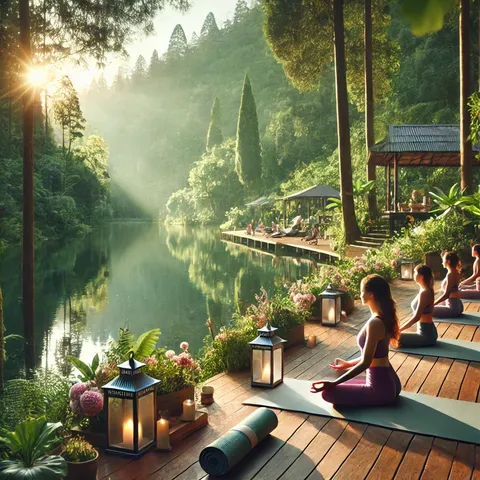
What a wellness retreat involves, what small early studies say about possible benefits, and what to look for before you book one.
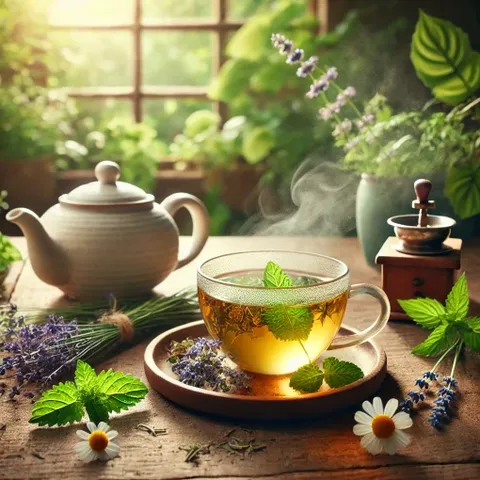
A look at popular herbal teas such as chamomile, lavender and peppermint, how people use them to relax and sleep, and how to fit them into an evening routine.
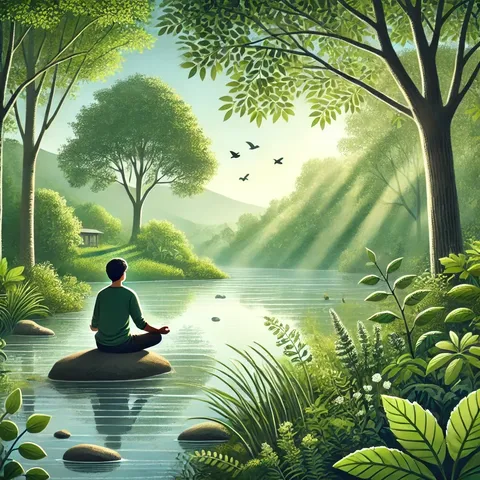
How time in nature may lower stress, what one small study found about cortisol and visit length, and easy ways to spend more time outdoors.
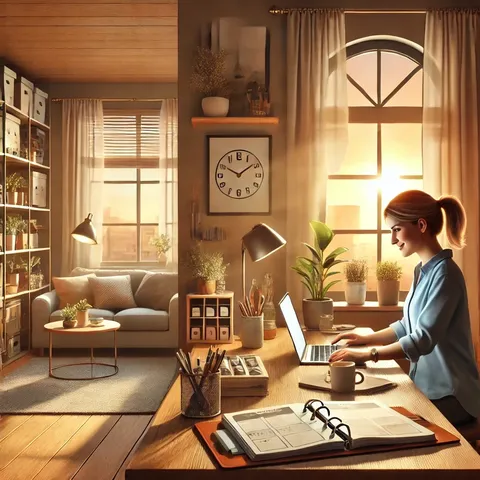
Practical ways to balance work and personal life: set boundaries, prioritise tasks, take regular breaks and make time for exercise and hobbies.
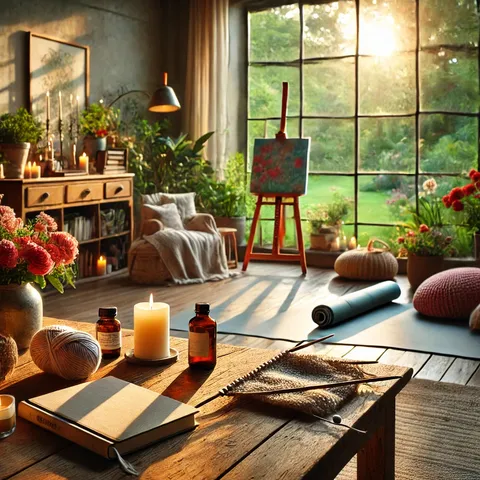
A guide to non-digital ways to relax, including breathing, journaling, aromatherapy and gentle movement, for anyone who wants a break from screens.
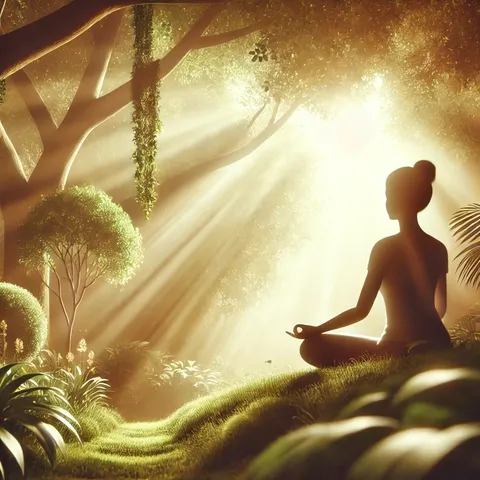
What research says regular meditation may do for anxiety, depression, sleep, blood pressure and pain, plus where the evidence is weak and how to start.