
What yoga poses are good for mental health?
The short answer
Gentle poses such as Child's Pose, Tree Pose, Bridge Pose and Savasana are popular choices for calming the mind, and none of the sources cited here shows one pose to be best. The US National Center for Complementary and Integrative Health reports that reviews of yoga found beneficial effects for stress and anxiety symptoms. It also notes that yoga studies vary widely in the styles they use.
Key points
- A 2020 review of 12 studies found beneficial effects of yoga for stress in healthy adults.
- A 2019 review of 38 studies found a substantial benefit of yoga for anxiety symptoms, strongest in India.
- Yoga studies use different styles, which makes the evidence hard to compare.
- Yoga is generally safe for healthy people with a qualified instructor, but sprains and strains can happen.
- Yoga should sit alongside professional care, not replace it.
Contents (16)
Introduction
Yoga is more than stretching and strengthening your body. It combines breathwork, meditation and poses, and many people use it to calm the mind and support their emotional well-being. Here are the poses people commonly choose for mental health, and what the research does and does not say.
The Science Behind Yoga and Mental Health
The US National Center for Complementary and Integrative Health (NCCIH) summarizes the research in its page on yoga effectiveness and safety. A 2020 review of 12 studies of different types of yoga for stress management in healthy adults found beneficial effects. A 2019 review of 38 studies found that yoga had a substantial beneficial effect on anxiety symptoms, with the greatest effects seen in studies performed in India. A 2021 review of people diagnosed with anxiety disorders did not find enough rigorous studies to draw conclusions.
NCCIH adds that differences in the types of yoga used in studies may affect results, which makes the research hard to evaluate.
Yoga and Stress Reduction
Yoga includes breath control (pranayama), which many people find slows them down and helps them relax. In the review above, yoga showed beneficial effects for stress in healthy adults, though the studies used a variety of yoga styles.
Yoga Poses for Anxiety Relief
If anxiety has you feeling tense and on edge, these poses are popular choices.
Child’s Pose (Balasana)
Child’s Pose is a common go-to when you’re feeling anxious. It stretches your back, hips and thighs while you focus on your breath.
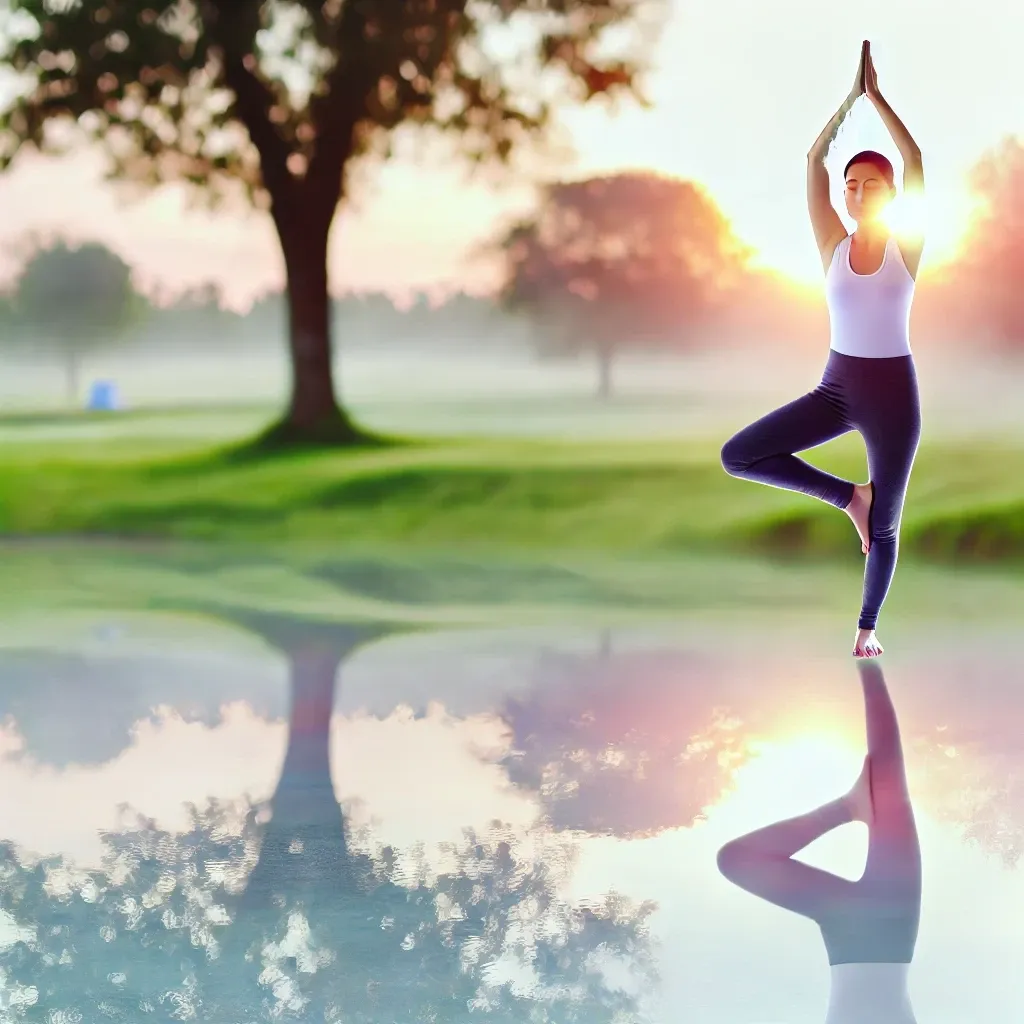
Tree Pose (Vrksasana)
Balancing in Tree Pose asks you to focus on the present moment, which many people find quiets a racing mind. It also works your legs and balance.
Corpse Pose (Savasana)
Though it looks simple, Corpse Pose can be one of the hardest poses. Lying flat on your back, you are encouraged to release tension and let go of thoughts and stressors.
Yoga Poses for Depression
Low mood can leave you feeling sluggish and disconnected. These poses are commonly used for a gentle lift. NCCIH reports that in a 2017 review of 23 studies of people with depressive symptoms, yoga was helpful in reducing symptoms in 14 of the studies, so the results are mixed.
Warrior II Pose (Virabhadrasana II)
Warrior II is a strong, steady stance, and many people say it leaves them feeling grounded. It also gets the legs and shoulders working.
Bridge Pose (Setu Bandhasana)
This gentle backbend opens up the chest. It also stretches the spine and can relieve tension in the back.
Legs-Up-the-Wall Pose (Viparita Karani)
A restorative pose done with your legs resting up a wall. Many people find it relaxing when they feel emotionally drained.
Yoga Poses to Improve Focus and Clarity
Need to clear the mental fog? These poses ask for steady concentration.
Eagle Pose (Garudasana)
Eagle Pose might look complicated. Crossing your limbs and holding steady takes concentration, which is why people use it for focus.
Mountain Pose (Tadasana)
Standing tall in Mountain Pose brings awareness to your body. This simple pose is a good place to practice mindfulness.
Seated Forward Bend (Paschimottanasana)
This pose stretches the spine and hamstrings. Many people find it calming and use it as a moment of quiet reflection.
How Yoga Boosts Self-Esteem and Confidence
Yoga is about emotional flexibility as well as physical flexibility. Standing poses like Warrior and Tree help you stand tall, literally and figuratively. Many people say that as they become more aware of what their body can do, they feel more confident.
Yoga for Better Sleep and Relaxation
NCCIH says yoga has been shown to be helpful for sleep in multiple studies of cancer patients, women with sleep problems and older adults. The groups studied were specific, so the results may not apply to everyone.
Why Yoga Improves Sleep
Many people find that slow movement and deep breathing make it easier to wind down in the evening.
Specific Poses for Better Sleep
- Reclining Bound Angle Pose: This restorative pose gently opens up the hips while relaxing the whole body.
- Cat-Cow Pose: The rhythmic motion of Cat-Cow can release tension in the spine before bed.
Breathing Techniques (Pranayama) to Support Mental Health
Breathing is often overlooked. Pranayama (yogic breathing) is a core part of yoga practice, and many people use it to calm down.
Alternate Nostril Breathing (Nadi Shodhana)
In yoga tradition this technique is said to balance the body, and many people find it settling.
Lion’s Breath (Simhasana)
This active technique is used to release tension, and many people find it a fun way to let go of stress.
Mindfulness and Meditation in Yoga
Meditation is often part of a yoga practice. It encourages you to stay present and let go of distractions. Guided meditations during yoga sessions are one way to focus on the here and now.
Benefits of a Regular Yoga Practice
Consistency matters in yoga. Many people say a regular practice helps them feel more resilient and balanced. The research above is a reason for interest, not a promise of any result for you.
Tips for Getting Started with Yoga
You don’t need to be flexible or fit. Find a class or online video that suits your level, and remember that progress takes time. Even 10 minutes a day is a manageable start.
Common Myths About Yoga and Mental Health
Myth: Yoga is Just for Relaxation
Yoga is more than relaxation. It also includes strength, balance, breathing and attention.
Myth: Yoga Can’t Help with Serious Mental Health Issues
Yoga is not a substitute for therapy or medication, but it can sit alongside traditional treatment for conditions like anxiety and depression. For people diagnosed with anxiety disorders, NCCIH notes the research was not rigorous enough for conclusions.
Precautions for Practicing Yoga
NCCIH says yoga is generally considered a safe form of physical activity for healthy people when performed properly, under the guidance of a qualified instructor. Injuries can occur, and the most common are sprains and strains. Listen to your body, especially if you’re new to yoga, and consult a healthcare professional first if you have any physical or mental health concerns. Yoga should never replace medical treatment.
Conclusion
Yoga can be a gentle, accessible way to support your mental well-being. Pick a few poses you enjoy, start small and see how you feel.
Frequently asked questions
How often should I practice yoga for mental health benefits?
There is no single rule. Many people find that a regular routine of a few sessions a week is easier to keep up than occasional long classes.
Can yoga alone help with serious mental health issues?
Yoga can be a helpful addition, but it should be used alongside professional mental health treatment for serious conditions.
What’s the best time of day to do yoga for mental clarity?
Many people enjoy morning yoga, but the best time is whenever you can practice regularly.
Do I need to be flexible to benefit from yoga?
No. Poses can be adapted to your body, and a qualified instructor can show you options for your level.
How can I incorporate yoga into a busy schedule?
Short sessions of around 10 minutes can fit into a morning or evening routine.