
What Are the Benefits of Herbal Teas in Relaxation?
The short answer
Herbal teas can be a comforting part of a relaxation routine, and the ritual of making a warm drink may be part of the appeal. Research on specific herbs is limited. The US National Center for Complementary and Integrative Health says evidence for valerian and sleep is inconsistent, and chamomile findings so far are preliminary.
Key points
- The ritual and aroma of a warm cup may be part of the calming effect.
- Chamomile findings are preliminary and come from supplements, not tea.
- Evidence on valerian and sleep is inconsistent.
- Chamomile can cause allergic reactions and may interact with some medicines.
- Check with a healthcare provider before using herbs alongside medication.
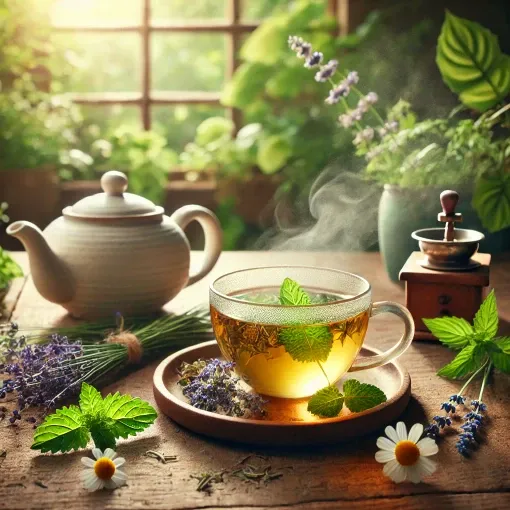
Contents (9)
Herbal teas have been used for centuries as a natural remedy for relaxation. Whether you’re winding down after a long day or simply looking for a moment of peace, a warm cup is a comforting way to pause. Here is what herbal teas can and can’t do for relaxation.
Introduction to Herbal Teas and Relaxation
Relaxation is more than a luxury. Taking time to unwind matters for both physical and mental health. Herbal teas offer a simple, comforting way to do that.
Why Relaxation is Important for Overall Health
Stress isn’t only an emotional burden. Taking time to relax can help your mental clarity and emotional balance.
Brief History of Herbal Teas in Traditional Medicine
Herbal teas have roots in various ancient civilizations, from Traditional Chinese Medicine to Ayurveda. In those traditions they were often recommended for stress relief and relaxation. Today, they remain a popular choice for those looking to decompress.
Understanding Herbal Teas
Before we explore their relaxation benefits, it helps to understand what herbal teas are.
What Makes Herbal Teas Different from Regular Teas?
Unlike black or green teas, which come from the Camellia sinensis plant, herbal teas are made from a wide variety of herbs, flowers and spices. Most are caffeine-free, which makes them a popular choice before bedtime. Check the label on blends to be sure.
The Process of Brewing Herbal Teas for Maximum Benefits
For the best flavor, follow the steeping time on the packet.
Key Benefits of Herbal Teas for Relaxation
Herbal teas offer a few possible benefits when it comes to calming the mind and body.
Reducing Stress and Anxiety
Many people reach for herbal tea when they feel stressed. The scientific evidence for individual herbs is limited, so it’s best to see tea as a calming ritual rather than a treatment.
Herbal Teas People Use for Anxiety
Chamomile, lavender and lemon balm are popular choices for feeling calmer. For chamomile, the US National Center for Complementary and Integrative Health says some preliminary studies suggest a chamomile dietary supplement might be helpful for generalized anxiety disorder. Those studies tested supplements rather than tea, and the evidence is still early.
Improving Sleep Quality
Struggling with sleep? A warm herbal tea can be part of a bedtime routine.
Herbal Teas for Better Sleep and Relaxation
Valerian root and chamomile are traditional bedtime teas. The evidence is mixed, though. The same center says that the evidence on whether valerian is helpful for sleep problems is inconsistent, and that there is very little information on chamomile’s effect on insomnia. Having a warm drink an hour before bed can still be a pleasant wind-down habit.
Enhancing Mood and Mental Well-being
Herbal teas don’t only help you relax. Many people also find a cup of tea uplifting.
Herbs People Use for Mood
Peppermint and lemon balm are popular for a lighter, brighter feel. Most people enjoy them for their flavor and aroma.
Popular Herbal Teas for Relaxation
Not all herbal teas are the same. Here are some of the most popular options:
Chamomile Tea: The Classic Relaxation Remedy
Chamomile is often the go-to tea for relaxation. Its mild flavor makes it an easy evening drink. According to NCCIH, it can cause allergic reactions in some people, especially those allergic to related plants such as ragweed, and it may interact with some medicines, including the blood thinner warfarin.
Lavender Tea: A Calming Aromatic Drink
Lavender tea smells wonderful, and the floral aroma adds to the sense of calm. It suits anyone who wants to de-stress after a busy day.
Peppermint Tea: Soothing and Refreshing
Peppermint tea offers a refreshing twist to your relaxation routine. Many people drink it after meals because of its cooling taste.
Lemon Balm Tea: Uplifting and Stress-relieving
Lemon balm tea has a light, citrusy flavor that is both refreshing and calming.
Valerian Root Tea: A Traditional Sleep Remedy
Valerian root tea is a traditional bedtime drink. As noted above, the research on valerian and sleep is inconsistent, and it can cause headache or stomach upset in some people.
How Herbal Teas Promote Relaxation
So how might herbal teas help you relax?
The Role of Antioxidants and Other Compounds
Herbal teas contain plant compounds, but claims that a cup of tea acts directly on your nervous system should be treated with caution.
Relaxation Through Aroma and Ritual
There’s something inherently relaxing about the ritual of brewing tea. Many people find the aromas of herbs like lavender and chamomile soothing, even before the first sip.
Herbal Teas vs. Other Relaxation Methods
Herbal teas are one way to relax. How do they compare with other methods?
Comparison with Meditation and Breathing Exercises
Meditation and deep breathing are well known relaxation techniques, but they take time and practice. A cup of herbal tea is easy to add to your daily routine.
Why Herbal Teas are a Gentle, Natural Option
Herbal teas are a gentle way to relax, but natural doesn’t mean risk free. Allergic reactions and interactions with medication are possible, so check with a healthcare provider if you take regular medication.
How to Incorporate Herbal Teas into Your Routine
Ready to make herbal teas part of your relaxation routine?
Best Times to Drink Herbal Teas for Relaxation
Many people drink herbal tea in the evening, after a meal or just before bed. Gentle teas like chamomile can also be enjoyed throughout the day.
DIY Herbal Tea Blends for Relaxation
Get creative by blending your own teas. Try combining chamomile with lavender, or peppermint with lemon balm, for a personalized blend.
Conclusion: Sip Your Way to a Relaxed Mind and Body
A cup of herbal tea is a simple, pleasant way to build a moment of calm into your day. The evidence for individual herbs is limited, so enjoy it as a ritual rather than a treatment. So grab a cup, take a slow sip, and give yourself a few quiet minutes.
Frequently asked questions
Can herbal teas replace medication for anxiety?
No. Herbal teas can be a pleasant addition to a relaxation routine, but they shouldn’t replace prescribed medication. Always consult a healthcare provider.
How often should I drink herbal tea for relaxation?
Many people enjoy a cup in the evening, and moderation is sensible. If you take medication or are unsure about a herb, ask a healthcare provider first.
Are there any side effects of drinking too much herbal tea?
Herbs can cause side effects in some people, including digestive upset, allergic reactions or interactions with medications. It’s best to drink them in moderation.
Can children drink herbal teas for relaxation?
Some herbal teas, like chamomile, are used for children, but always consult a pediatrician before introducing a new tea to a child’s diet.
How do I choose the best herbal tea for me?
Start by identifying what you want from your cup. Many people reach for chamomile or lavender in the evening, and for peppermint or lemon balm for a lighter, more refreshing drink.