
What Are the Best Natural Remedies for Anxiety?
The short answer
Common natural approaches to anxiety include mindfulness, breathing exercises, regular exercise, sleep habits, time with people you trust, and herbs such as chamomile, lavender and ashwagandha. Evidence for the herbs is limited and varies by product. Natural does not mean risk-free, so talk to a healthcare provider before starting a supplement.
Key points
- Mindfulness, breathing, exercise and sleep routines are low-risk places to start.
- Studies suggest an oral lavender oil product might help anxiety, but they were small.
- Ashwagandha may help with stress and insomnia, but evidence on anxiety is unclear.
- Rare cases of liver injury have been linked to ashwagandha supplements.
- Herbs and supplements can interact with medications, so ask a healthcare provider first.
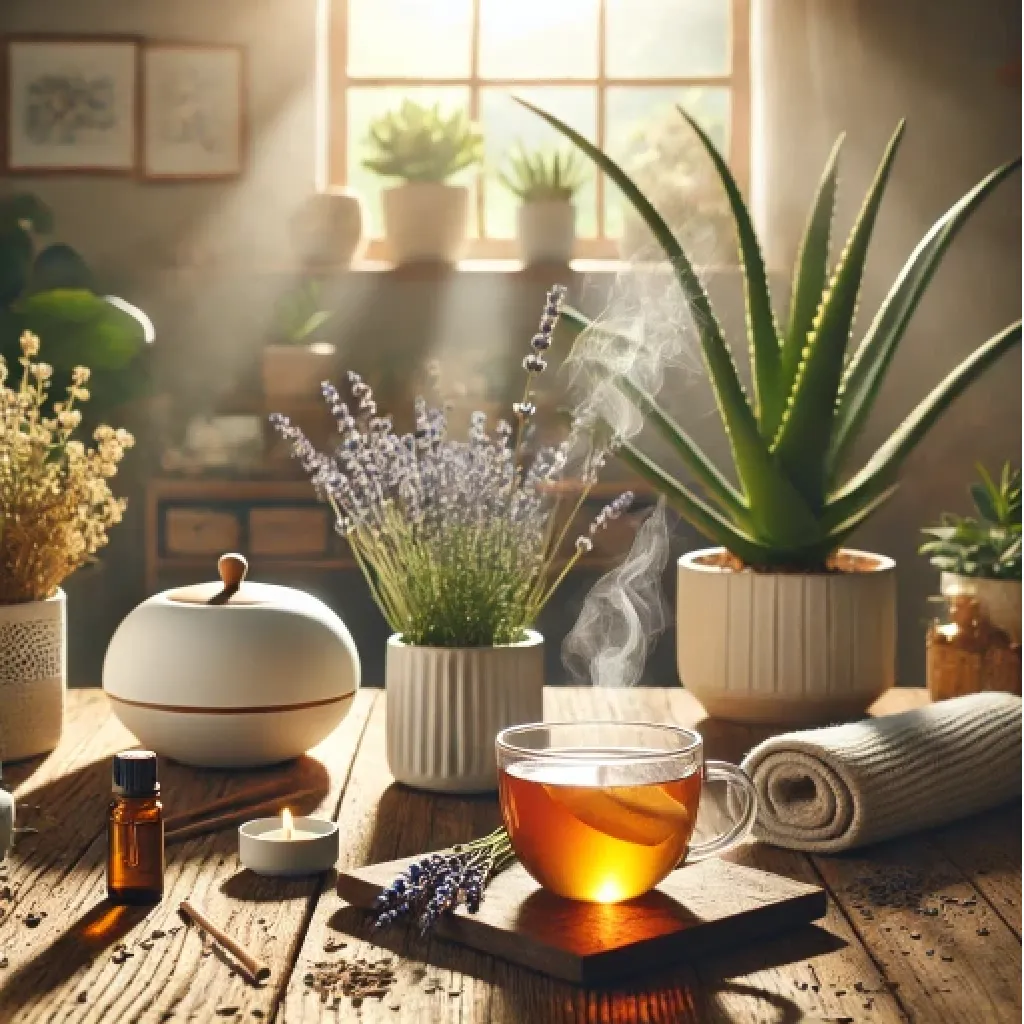
Contents (11)
Introduction
Anxiety is a common issue in today’s fast-paced world. Whether you’re dealing with occasional stress or longer lasting anxiety, finding relief can feel overwhelming. Many people look to natural approaches to soothe their mind and regain balance. This article covers some of them, and what is known about each.
Overview of Anxiety
What is Anxiety?
Anxiety is your body’s natural response to stress. It’s that feeling of fear or apprehension about what’s to come. From job interviews to public speaking, everyone experiences it at some point. But when it becomes overwhelming or lasts for extended periods, it can affect your day-to-day life.
Common Symptoms of Anxiety
Anxiety shows up in many ways. You may experience physical symptoms like a racing heart, shallow breathing or muscle tension. Mentally, it can lead to excessive worry, overthinking or trouble concentrating. Recognizing these symptoms is the first step toward managing anxiety.
Why Address Anxiety Naturally?
Prescription medications help many people, and they can come with side effects, so talk to your doctor about any concerns. Some people prefer to start with lifestyle changes and gentler approaches that fit into their daily routine. These can sit alongside professional care, and the two shouldn’t be treated as rivals.
Understanding Natural Remedies
The Benefits of Natural Remedies
Side Effects and Safety
Natural products can still cause side effects and interact with medications, so treat herbs and supplements with the same care as any other treatment.
Cost-Effective and Accessible
Many natural approaches are easy to access. Whether it’s herbs from your local store or mindfulness techniques you can practice at home, you can often start with what you already have.
Enhancing Mental and Physical Health
Habits like movement, sleep and mindfulness support both mental and physical well-being.
Top Natural Remedies for Anxiety
Herbal Remedies
Chamomile
Chamomile is one of the best known herbal remedies for anxiety, often consumed as tea.
How Chamomile Reduces Anxiety
Chamomile has a long reputation as a calming herb. The ritual of a warm cup of tea in the evening may be part of what people find soothing.
Best Ways to Consume Chamomile
Chamomile tea is the easiest way to enjoy it. It’s also available in capsules or tinctures, which should be used with advice from a healthcare provider.
Lavender
Lavender is famed for its soothing scent, commonly used in aromatherapy.
Calming Properties of Lavender
The US National Center for Complementary and Integrative Health notes that studies have suggested a lavender oil product, taken orally, might be beneficial for anxiety. It adds that the research has limits, including small sample sizes, and that more high-quality research is needed.
Using Lavender in Everyday Life
That finding is about the oral product, not about diffusers, massage oils or bath products. You can use lavender in essential oil diffusers, massage oils or bath products as part of a relaxing routine.
Ashwagandha
Ashwagandha is an herb often described as an adaptogen, a term used for herbs said to help the body handle stress.
Why Ashwagandha is Called an Adaptogen
The term comes from herbal tradition. According to the same center, some ashwagandha preparations may be effective for insomnia and stress, but the evidence on anxiety is unclear, and many studies were small and used different preparations.
Dosage Recommendations for Ashwagandha
Studies have used a variety of preparations, so there is no single dose to quote here. The same source notes that rare cases of liver injury have been linked to ashwagandha supplements, and it advises that the herb may be safe in the short term, up to 3 months. NCCIH also advises people who are pregnant, have thyroid or autoimmune conditions or are due for surgery to talk to a health care provider first. Ask a healthcare provider before starting any new supplement.
Mindfulness and Meditation
How Meditation Helps Calm the Mind
Mindfulness meditation involves focusing on the present moment, which can help you step out of the cycle of anxious thoughts.
The Role of Breathing Exercises
Controlled breathing is a simple way to slow down, and many people find it calming within minutes.
Guided Meditation and Apps for Anxiety
There are many apps, like Headspace or Calm, that offer guided meditations.
Diet and Nutrition
Omega-3 Fatty Acids
Omega-3s are found in fish like salmon and are part of a balanced diet.
Foods Rich in Omega-3 for Anxiety Relief
Besides fish, you can find omega-3s in chia seeds, walnuts and flaxseed oil.
Magnesium
Magnesium is a mineral that your body needs, found in many foods.
Magnesium-Rich Foods and Supplements
Foods like leafy greens, almonds and avocados are high in magnesium. Talk to a healthcare provider before taking it as a supplement.
Limiting Caffeine and Sugar
Some people notice that caffeine and sugar leave them feeling more on edge. If that sounds familiar, try cutting back and see how you feel.
The Importance of Lifestyle Changes
Regular Physical Activity
How Exercise Reduces Anxiety
Many people find that exercise gives tension an outlet and lifts their mood, which can make anxious feelings easier to carry.
Best Types of Exercises for Mental Health
Yoga, walking and swimming combine physical activity with mental relaxation, which is why many people enjoy them.
Establishing a Sleep Routine
The Link Between Sleep and Anxiety
Many people notice that poor sleep and anxiety seem to feed each other.
Tips for Improving Sleep Quality
Turn off screens an hour before bed, establish a bedtime routine, and consider a weighted blanket if you find one comforting.
Social Connections and Support
Why Talking to Friends or Family Helps
Sometimes just talking to someone you trust makes a difference. Human connection matters for mental health.
The Role of Support Groups and Therapy
Support groups or a therapist can provide a safe space to express your feelings and get advice.
Conclusion
Managing anxiety doesn’t have to rely only on medication. Herbs, mindfulness and lifestyle changes may help some people, and they work best alongside advice from a healthcare provider. Everyone’s experience is different, so find what works for you. If anxiety is getting in the way of daily life, please speak to a doctor.
Frequently asked questions
Can natural remedies completely cure anxiety?
Natural approaches may ease symptoms for some people, but they are not a replacement for professional care. If anxiety is affecting your daily life, talk to a doctor or therapist.
How long does it take to see results from natural anxiety remedies?
It varies, and the evidence for herbs is limited. Many people find a slow breathing exercise calming within minutes.
Are there any risks with using herbal remedies for anxiety?
Yes. Herbal remedies can cause side effects and can interact with medications. It’s essential to consult a healthcare provider before starting any new treatment.
Is exercise effective for reducing anxiety?
Many people find that regular exercise helps them feel calmer and improves their mood, and it is a sensible part of a broader plan.
Can I combine natural remedies with prescription medication?
Always consult your doctor before combining natural remedies with prescription medications to avoid potential interactions.