
What holistic therapies complement sound therapy?
The short answer
Meditation, yoga, breathwork, aromatherapy and time in nature are the practices most often paired with sound therapy, mainly for relaxation. Little research looks at the combinations, so none can be promised to work better together. NCCIH reports some research on mindfulness and yoga for stress and anxiety, with limits.
Key points
- Meditation, yoga, breathwork, aromatherapy and nature are the most common companions to sound therapy.
- NCCIH notes that the few mindfulness studies lasting beyond 2 months found no long-term effects.
- A 2020 review of 12 yoga studies found lower perceived stress in healthy adults.
- Reiki, chakra work and acupuncture ideas come from traditions, not measured effects.
- Check with a doctor first if you have a medical condition.
Contents (40)
Introduction
Sound therapy uses instruments, voices or recorded sound with the aim of helping people relax and release stress. Practitioners often describe it as rebalancing the body, but that is a tradition, not a measured effect. Many people also combine it with other holistic practices.
Here we look at how sound therapy can sit alongside other natural therapies.
What is Sound Therapy?
Sound therapy is the use of instruments such as tuning forks, gongs or singing bowls to create vibrations that people find calming. Practitioners say these frequencies match the body’s natural rhythms. That is a belief, and the plainer claim is that many people find the sounds relaxing.
History of Sound Therapy
The use of sound in healing and ritual goes back a very long way. Ancient cultures such as the Egyptians, Greeks and Tibetans are said to have valued the power of sound for body and spirit.
How Sound Therapy Works
In many sound healing traditions, everything in the universe, including our bodies, is seen as vibration. When these vibrations are out of harmony, illness or stress is said to occur. Sound therapy aims to rebalance them. This is a traditional idea and not a medical explanation.
The Science of Vibrations and Frequencies
Every sound we hear has a frequency measured in hertz (Hz). Practitioners say that certain frequencies relax tension or balance the energy centres. Those ideas come from tradition, and we cite no measurements that confirm them.
Brainwave Entrainment
Brainwave entrainment is a technique in which sound is used to encourage the brain to follow a rhythm. Supporters say it can lead to relaxation and focus, though the evidence is mixed.
What are Holistic Therapies
Holistic therapies treat the whole person, mind, body and spirit, and not just the symptoms. Combining several approaches is a personal choice for many people who want a broader sense of well-being.
What are Holistic Health Approaches
Holistic health is an approach that looks at emotional, mental and spiritual wellbeing as well as physical symptoms. It works best next to regular medical care.
How Holistic Therapies Address Body, Mind and Spirit
Practices like yoga, meditation and acupuncture are often described as ways to balance the whole person. Sound therapy can add a calming setting to these practices.
Top Holistic Therapies to Combine with Sound Therapy
Some people combine sound therapy with other natural therapies, mainly for relaxation. Here are some pairings.
Meditation and Mindfulness Practices
Meditation is a mindfulness practice that people use to quieten the mind and relax the body. According to NCCIH, a 2018 analysis of groups of people with diagnosed conditions such as anxiety or depression found mindfulness approaches were better than no treatment and worked as well as evidence-based treatments. A 2021 analysis of adults with diagnosed anxiety disorders found mixed short-term results, and NCCIH says they should be read with caution because the risk of bias in the studies was unclear. Overall, mindfulness was more effective than usual treatments at reducing anxiety and depression symptoms, but the few studies that followed people for more than 2 months found no long-term effects. NCCIH also reports that a 2020 review of 83 studies found negative experiences with meditation in 55 of them, most often anxiety and depression. The researchers concluded that about 8 percent of participants had a negative effect, which NCCIH says is similar to the percentage reported for psychological therapies.
Guided Meditation and Binaural Beats
Guided meditations sometimes use binaural beats, which are two slightly different frequencies played in each ear. Some people find that this helps them relax and focus.
Benefits of Mindfulness with Sound Therapy
Mindfulness encourages being present in the moment.
Yoga and Sound Therapy
Yoga combines movement, breath control and meditation. A 2020 review of 12 studies of 672 people found beneficial effects of yoga on perceived stress in healthy adults in all the studies, according to NCCIH. Adding sound can make a session feel more connected to the body.
Movement and Breath in Healing
Breathwork is part of both yoga and many sound practices. Many people say that slow breathing alongside sound helps them let go of tension.
Chakra Balancing with Sound and Yoga
In yoga and chakra teaching, chakras are energy centres associated with different aspects of well-being. Practitioners say that sound and yoga movements help clear blockages and align these centres. This is a spiritual tradition, not a measured effect.
Reiki and Sound Frequencies
Reiki is an energy practice in which practitioners describe clearing blockages in the body’s energy pathways. Combining Reiki with sound therapy can be relaxing for some people.
How Reiki Boosts Sound Healing
Practitioners of both describe the two as working well together, with sound said to support the flow of energy. These are beliefs from the tradition, not research findings. The combination is best seen as a calm, quiet experience.
Reiki and Sound for Deep Relaxation
Together, Reiki and sound make a quiet setting in which many people say they can let go of tension.
Traditional Chinese Medicine (TCM) and Sound Therapy
Traditional Chinese Medicine (TCM) sees health as a balance of energy in the body. Some people combine sound therapy with TCM practices like acupuncture and Qi Gong as part of a wider wellness routine.
Acupuncture and Sound
Acupuncture involves inserting thin needles into specific points on the body, with the aim of balancing energy in TCM theory. If you have a condition, speak to a doctor first.
Meridians and Energy Flow
In TCM, meridians are described as pathways of energy in the body. Some practitioners say that sound can stimulate these pathways, but this is a traditional concept.
Acupuncture with Sound for Deeper Healing
Combining sound with acupuncture can feel like a fuller, more relaxing session for some people. It does not replace medical care.
Qi Gong and Sound Therapy
Qi Gong is a practice of slow, deliberate movements meant to cultivate life force energy in TCM tradition. Sound can offer a gentle setting for it.
Using Life Force Energy with Sound
Practitioners describe sound as supporting the flow of life force energy, and Qi Gong exercises as directing it. Both are traditional ideas rather than measured effects.
Aromatherapy and Sound Healing
Aromatherapy, the use of essential oils for well-being, is a common addition to sound therapy. Scent and sound together can make a relaxing space.
How Essential Oils and Sound Work Together
Many people use essential oils to create a calm mood during sessions. The effects are personal, and scents should be used with care if you have allergies or sensitivities.
Best Oils for Deep Relaxation
Some people choose scents such as lavender, chamomile or frankincense during sessions. They are a matter of taste.
Oils and Music for a Healing Space
Essential oils and calming music together can make a soothing environment where you can unwind.
Nature and Sound Therapy
Nature has its own sounds, such as rustling leaves, water or birdsong. Many people find that natural soundscapes help them relax and feel at ease.
Forest Bathing and Sound Healing
Forest bathing, the practice of spending time in nature, pairs well with sound therapy. Birdsong or rustling trees can add to the effects of sound healing for people who enjoy it.
Natural Soundscapes for Stress Relief
Pairing natural soundscapes with sound therapy is one gentle approach to relaxation.
Water and Healing Frequencies
Many people find the sound of water soothing, and some traditions give it a special meaning.
Sound and Water for Emotional Balance
Floating or bathing in warm springs along with sound is a relaxing combination for some.
How to Create a Holistic Sound Therapy Practice at Home
A quiet, comfortable space at home can support your practice.
Your Space
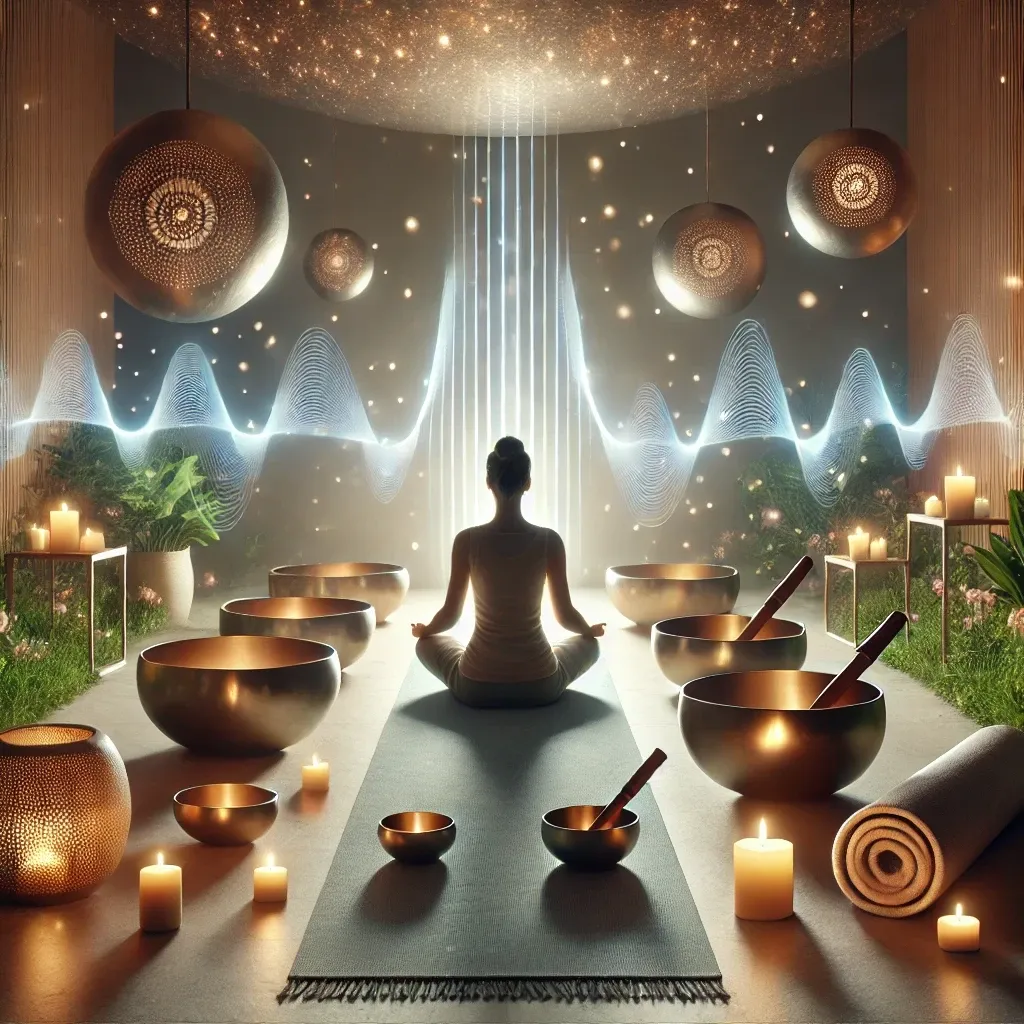
Choose a quiet space where you will not be disturbed. You can add candles, crystals or essential oils if you like, and take care with open flames.
What Tools and Instruments to Use
Whether it is a singing bowl, a tuning fork or a simple playlist, choose tools that feel right to you.
Combining Different Therapies for Best Results
Adding yoga, meditation, aromatherapy or other practices can make your sound sessions more enjoyable. We cannot promise stronger effects, so go by what feels good.
Conclusion
Sound therapy is a relaxing practice that pairs naturally with meditation, yoga, Reiki and aromatherapy. Together they can form a personal routine for calm. See a doctor for any health concern, and use these practices alongside, not instead of, medical care.
Frequently asked questions
What holistic therapy goes well with sound healing?
Meditation and mindfulness are a common pairing, but it depends on personal preference.
How often should I do sound therapy with other holistic therapies?
No schedule is proven. Some practitioners suggest a couple of sessions a week, but it is fine to go by what feels comfortable and fits your routine.
Can sound therapy help with chronic pain?
It may help some people relax, but we cite no research that it treats chronic pain. Speak to your doctor about pain, and treat sound as a relaxation aid.
What instruments are used?
Tuning forks, singing bowls, gongs and chimes are used in sound therapy.
Is it for everyone?
Generally yes, but those with medical conditions should consult a healthcare professional.