Can You Learn Sound Healing Online? What a Good Training Should Cover
An honest guide to learning sound healing online: what works at a distance, what a good curriculum covers, what accreditation means and red flags to watch.

Sound healing is a broad name for practices that use sound to support relaxation and a sense of wellbeing. Familiar tools include singing bowls, gongs, chimes, tuning forks, drums and the human voice, along with recorded music and guided listening. The idea behind it is old and found in many cultures: rhythm and tone can change how we feel, slow our breathing and help the mind settle. A typical session, often called a sound bath, has people lie or sit comfortably while the sounds wash over them, and many report feeling calm, sleepy or lightly emotional afterward. Music therapy is a related but separate field, where a trained therapist uses music in a structured way, and some of that work has been studied in clinical settings. Sound healing itself has less rigorous research behind it, so claims of curing illness should be treated with caution. Many people use it alongside other approaches such as meditation, gentle movement or talking therapy, and it is not a substitute for medical or mental health care. The articles below look at how sound therapy is used, how it relates to music therapy and Reiki, which other practices people combine with it and how often people choose to take part.
An honest guide to learning sound healing online: what works at a distance, what a good curriculum covers, what accreditation means and red flags to watch.
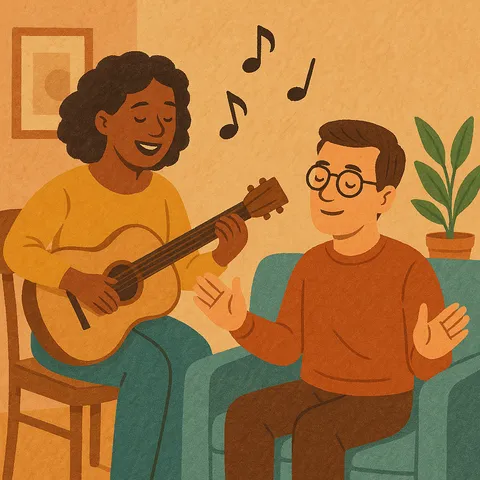
How music therapy is used to support emotional well-being, from listening and songwriting to group sessions, and where it is offered in care settings.

An explanation of how sound therapy is used alongside other support for people living with PTSD, what it can and cannot do, and what to consider first.

Meditation, yoga, breathwork, aromatherapy and other practices often paired with sound therapy, and what the research says about them.

What Reiki is, how it compares with sound therapy, and how the two are sometimes combined in a single relaxation session, with tips for trying both.
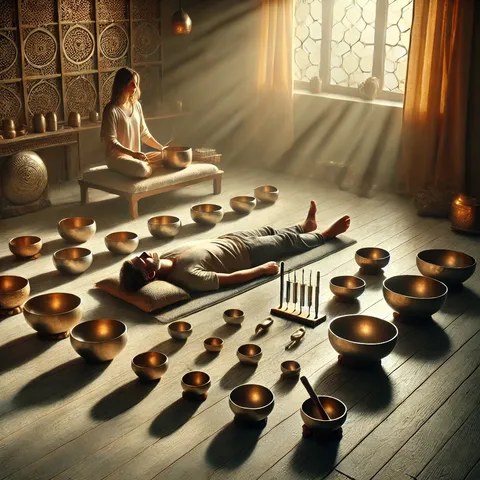
There is no proven schedule for sound healing. This article looks at daily, weekly and monthly sessions as common choices and what research says.