
How often should you attend sound healing sessions?
The short answer
There is no proven schedule for sound healing, so the best frequency is the one that fits your goals, budget and how you feel afterwards. Many practitioners suggest anything from short daily practice to a weekly or monthly session. A 2020 review found only four studies of singing bowls and could not recommend them yet.
Key points
- No research-backed schedule exists, so choose a rhythm that suits your goals and routine.
- A 2017 observational study of 62 people found less tension and low mood after a singing bowl meditation.
- A 2020 review of singing bowl studies found only four and could not recommend them yet.
- Short home practice, weekly sessions or monthly sessions are all common choices.
- See a doctor for persistent symptoms instead of simply adding more sessions.
Contents (16)
Introduction
People often look for ways to de-stress and find balance. Sound baths, Tibetan singing bowls and crystal bowls are one option, and many ask how often to go. This article walks through the common choices and what the research says.
The Benefits of Sound Healing
Physical Benefits
Sound healing is not only about soothing melodies. Some people report feeling relaxed in the body, with looser muscles, easier sleep or fewer headaches. These are personal reports, and sound healing is not a treatment for any medical condition.
Mental and Emotional Benefits
The sound of gongs, tuning forks and singing bowls can quiet the mind for some people. In a 2017 observational study, 62 people reported less tension, anger, fatigue and depressed mood after a singing bowl meditation than before it. The authors suggest it may be a feasible low-cost way to reduce feelings of tension, but it was an observational study, which limits what it can show.
How Sound Healing Works
The Science Behind Sound Therapy
Sound healing traditions often hold that everything vibrates at its own frequency and that sound can restore harmony in the body’s energy. That is a belief, not a measured fact. A 2020 systematic review found only four studies of singing bowls, and because there were few studies and a risk of bias, its authors could not recommend singing bowl therapies at that stage.
Tools Used in Sound Healing
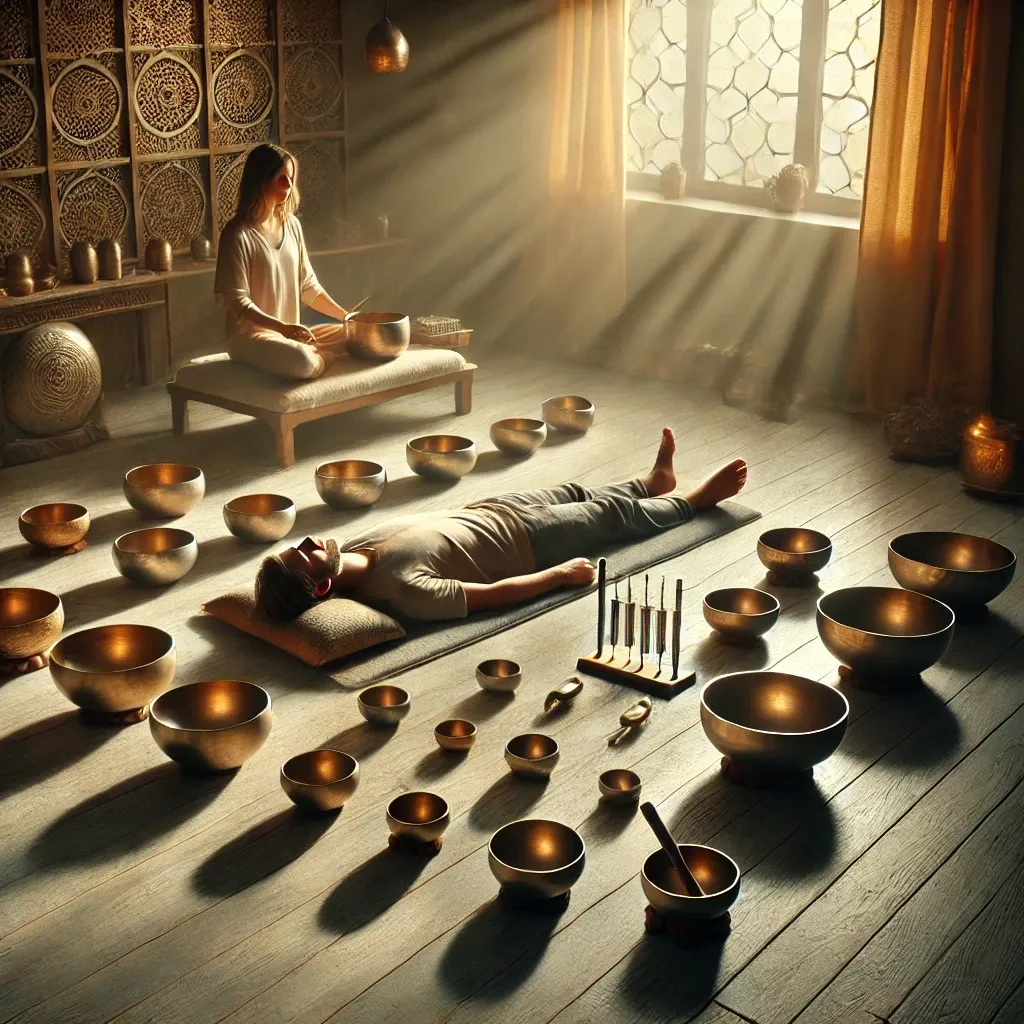
Sound healers use Tibetan bowls, tuning forks, gongs and voice chanting. In chakra teaching, different tones are linked with different energy centres. Many people simply enjoy the sounds as a way to relax.
Understanding the Frequency of Sessions
Factors Influencing the Frequency
There is no one-size-fits-all answer, and we cite no research-backed schedule. Your goals, your routine and how you feel after a session all matter. Someone who wants to unwind after a long week may choose a different rhythm from someone who wants a regular practice.
Personal Health and Goals
If sound healing is part of your wellness routine, some people choose a weekly session. If you are dealing with trauma, anxiety or physical ailments, talk to a doctor first. Sound healing should not replace professional care, however often you attend.
Daily Sound Healing Practices
Short Daily Sessions for Stress Relief
Daily practice does not have to mean a formal session. Practitioners often suggest short, 5 to 10 minute practices with a singing bowl or tuning fork at home as a way to pause and settle.
Incorporating Sound Healing into Daily Routine
You can play a sound track during meditation or while you get ready for bed. Small habits like this are easy to keep, and many people find them pleasant.
Weekly Sound Healing Sessions
Ideal for Emotional and Mental Wellness
If you want a regular space for calm, a weekly sound bath is one option. A steady routine can help you build the habit of slowing down.
The Benefits of Weekly Sound Baths
Many people say weekly sessions help them feel grounded. It can be a good way to check in with yourself. It is not a replacement for care if you struggle with anxiety or low mood.
Monthly Sound Healing Sessions
Why Monthly Sessions Can Work
For some people, a monthly sound bath is enough as a treat or a reset. It suits those who simply want to relax and are not looking for anything beyond that.
Ideal for Busy Individuals
If your schedule is packed, attending once a month can give you a welcome pause without overwhelming your routine.
When to Schedule Sound Healing for Specific Needs
For Chronic Pain
If you live with chronic pain, speak to your doctor first. We cite no evidence for a schedule, and sound healing should not replace medical care. Some people use it as a relaxation aid, and they decide how often by how they feel.
For Anxiety and Depression
If you deal with anxiety or depression, a health professional should guide your care. Some people add sound sessions for relaxation. Do not expect quick relief, and keep your other support in place.
For Spiritual Growth
If you are using sound healing for spiritual growth, a weekly or bi-weekly practice is one choice that some people make to support meditation and awareness.
How Long Should Each Sound Healing Session Last?
Duration of Sessions for Beginners
Practitioners often suggest around 30 minutes for beginners. This gives you time to settle in without feeling overwhelmed.
Advanced Sessions: Longer and Deeper Experiences
As you become more familiar with sound healing, you can try longer sessions of up to an hour or more. Some people describe a deeper sense of calm or reflection.
Signs You Need to Increase the Frequency
Physical Symptoms
If you notice persistent discomfort, such as headaches or muscle tension, see a doctor. More sound sessions are not a substitute for finding out what is going on.
Mental and Emotional Cues
If stress feels overwhelming, extra sound sessions may feel comforting, but talk to a doctor or counsellor as well.
Signs You May Be Overdoing It
Understanding Session Overload
Some practitioners describe feeling restless, irritable or tired after too many sessions. Whether or not that has a clear cause, it is a sign to slow down.
Finding Balance in Sound Therapy
Listen to your body. If you feel drained after a session, reduce how often you go or shorten the sessions.
Combining Sound Healing with Other Practices
Meditation
Sound healing pairs naturally with meditation. You can meditate during a session and let the sound be your point of focus.
Yoga
Adding sound to your yoga practice is a pleasant way to relax. Many people enjoy the pairing at the end of a class.
Aromatherapy
Using essential oils during sound healing adds scent to the experience, which some people find relaxing.
Finding a Qualified Sound Healing Practitioner
What to Look For in a Practitioner
Look for someone who has training and experience, and who makes you feel comfortable. Ask about their background before you book.
How to Choose the Right Sound Healing Sessions
Some practitioners offer group sessions, while others work one-on-one. Decide which setting suits you.
DIY Sound Healing at Home
Tools You Can Use at Home
A Tibetan singing bowl, a tuning fork or a recorded track are simple tools for home use. Start with something easy to learn.
Best Practices for Self-Care
Start small with 5 to 10 minute sessions and build up as you feel comfortable.
Conclusion
There is no definitive rule about how often to attend sound healing sessions. It depends on your needs, your health and your goals. Whether you choose daily practice or weekly or monthly sessions, listen to your body and keep professional care in place where you need it.
Frequently asked questions
Can I practice sound healing at home?
Yes. Many people use a singing bowl, a tuning fork or a recorded track at home. Start with short sessions and stop if anything feels uncomfortable.
Is sound healing safe for everyone?
It is generally gentle, but it is best to consult a professional if you have a specific medical condition.
How long does it take to see results from sound healing?
Results vary. Some people say they feel relaxed after a single session, and others notice little. No timeline can be promised.
Can sound healing help with anxiety?
It may help some people feel calmer. Research is limited, so use it as a relaxation tool next to proper care and speak to a doctor if anxiety is affecting your life.
How do I find a qualified sound healing practitioner?
Look for someone with training and experience in the method they offer, and read reviews from other clients. Ask what a session involves before you book.