
How to Prepare for a Chakra Balancing Session?
The short answer
To prepare for a chakra balancing session, set a simple intention, drink water, eat lightly, and wear loose clothes. Spend 5 to 10 minutes breathing or meditating beforehand, and go in without fixed expectations. Chakra sessions are relaxing for many people but are not medical treatment.
Key points
- Set a simple intention and let go of fixed expectations.
- Spend 5 to 10 minutes breathing deeply or meditating beforehand.
- Drink water, eat lightly, and wear loose, breathable clothes.
- NCCIH says Reiki has not been clearly shown to help any health condition.
- Rest and journal afterward instead of rushing back to work.
Contents (12)
Here is how to prepare for a chakra balancing session, mentally and physically, so you can settle in and get the most out of it.
Introduction to Chakra Balancing
What is Chakra Balancing?
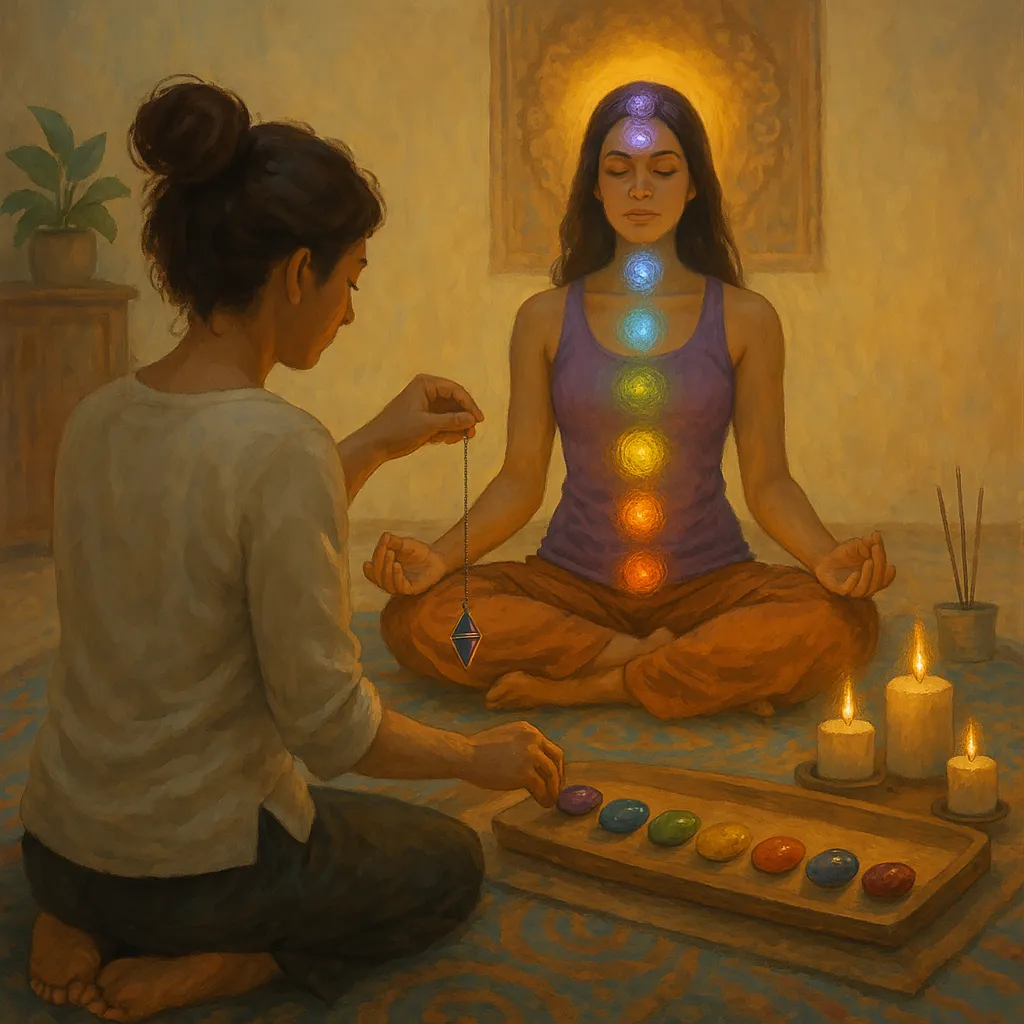
Chakra balancing is about aligning your body’s energy centers, like an energetic tune-up. In yoga tradition, these seven centers, known as chakras, correspond to different parts of your physical and emotional being, and practitioners say that when they are blocked you may feel anxious, tired, or moody. Chakras are a spiritual concept that science has not confirmed. Feeling unwell has many ordinary causes, so see a doctor if symptoms persist.
Why Chakra Health Matters
In chakra teaching, balanced chakras mean smoother energy flow. Followers say that when your chakras are in harmony, you feel grounded, confident, and spiritually connected. These are traditional descriptions, not measured outcomes.
Understanding the Seven Chakras
Here is what each chakra represents:
Root Chakra (Muladhara)
Location: Base of the spine
Represents: Security, grounding, survival
Sacral Chakra (Svadhisthana)
Location: Lower abdomen
Represents: Creativity, pleasure, sexuality
Solar Plexus Chakra (Manipura)
Location: Upper abdomen
Represents: Confidence, personal power
Heart Chakra (Anahata)
Location: Center of chest
Represents: Love, compassion, forgiveness
Throat Chakra (Vishuddha)
Location: Throat
Represents: Communication, truth
Third Eye Chakra (Ajna)
Location: Between the eyebrows
Represents: Intuition, insight, imagination
Crown Chakra (Sahasrara)
Location: Top of the head
Represents: Spirituality, connection to higher self
Benefits of a Chakra Balancing Session
People who book sessions describe the benefits below. They are personal reports, not research findings.
Emotional Clarity
Some people say chakra work leaves them feeling more emotionally settled.
Physical Relaxation
People often say they leave a session deeply relaxed, a bit like after a massage.
Spiritual Alignment
Some see it as a way to feel more centered in everyday life.
Choosing the Right Chakra Practitioner
Qualifications to Look For
Look for someone with training in energy healing, Reiki, sound therapy, or chakra alignment. Check reviews, ask questions, and trust your own sense of the person. The National Center for Complementary and Integrative Health states that Reiki has not been clearly shown to be effective for any health-related purpose, so be wary of promised results.
Types of Techniques They Might Use
This could include sound bowls, Reiki, guided meditation, crystals, essential oils, or even pendulums. Every practitioner has their own style.
How to Mentally Prepare for the Session
Setting an Intention
Before you go, ask yourself: What do I want to release or receive? Your intention sets the tone for the session.
Releasing Expectations
Do not go in expecting fireworks. Go in open to whatever shows up, even if that is just feeling a bit calmer.
Practicing Mindfulness Beforehand
Spend 5 to 10 minutes breathing deeply or doing a simple meditation. A calm mind makes it easier to settle in.
Physical Preparation Tips
Hydration is Key
Drink water before and after.
Eating Light Before the Session
Avoid heavy meals so you are not uncomfortably full while lying down.
What to Wear for Comfort
Loose, breathable clothes. You will be lying down or sitting for a while, so tight jeans are not ideal.
What to Bring With You
Crystals and Stones
Bring your favorites, such as rose quartz or amethyst. Your practitioner might suggest specific ones.
Journal for Reflections
You may want to jot down thoughts or sensations afterward.
Water Bottle and a Calm Mind
Simple, but useful.
Creating the Right Mindset During the Session
Be Open and Receptive
Try not to resist. It is like floating on a river rather than steering it.
Breathe Through Intensity
If something feels intense, slow your breathing. If it feels too much, tell your practitioner or stop.
Letting Go of Judgment
You might cry. You might laugh. You might feel nothing. All of it is normal.
Post-Session Self-Care
Journaling Your Experience
Take 10 minutes afterward to capture any thoughts or sensations.
Rest and Reflect
Do not jump straight into work or errands. Give yourself time to settle.
Grounding Techniques
Eat grounding foods like root vegetables, walk barefoot on grass, or do a grounding meditation.
How Often Should You Do Chakra Balancing?
Signs You Need Another Session
Feeling stuck, overly emotional, anxious, or just “off” are the signs that, in tradition, point to a need for another session. They can also have other causes, so see a doctor if they persist.
Building a Consistent Practice
Some people do it monthly, others seasonally. There is no research-based schedule, so go with what feels right.
Conclusion
Getting ready for a chakra balancing session is not about being perfect, it is about being present. Showing up with intention and openness can help you relax and get more from the time. Keep medical care for medical needs.
Frequently asked questions
How long does a chakra balancing session take?
Most sessions last between 45 minutes and 90 minutes, depending on the practitioner and technique.
Can I do chakra balancing at home?
Yes. You can use guided meditations, crystals, yoga, and journaling at home.
What will I feel during the session?
Everyone is different. You might feel warmth, tingling, emotions coming up, or just deep relaxation.
Is chakra balancing a religious practice?
Chakras come from Indian spiritual traditions, but people from all backgrounds use these practices for relaxation and self-awareness.
Do I need to believe in chakras for it to work?
No belief is required. Some people say they feel relaxed whether or not they believe in chakras, and an open mind can make it easier to settle in.