
What to Expect During a Chakra Balancing Session?
The short answer
A chakra balancing session usually starts with a short chat, then you lie down fully clothed while the practitioner works with touch, sound, crystals or guided breathing. Many people describe it as deeply relaxing. Chakras are a spiritual idea, not a medical one, so the session is not a substitute for care from a doctor.
Key points
- Sessions usually begin with a short conversation about how you feel.
- You stay fully clothed and lie down in a quiet, softly lit room.
- Methods include Reiki, sound, crystals, breathwork and essential oils.
- Many people report feeling relaxed afterward, which is a personal experience.
- See a doctor for ongoing pain, anxiety or fatigue.
Contents (9)
Introduction to Chakra Balancing
What are Chakras?
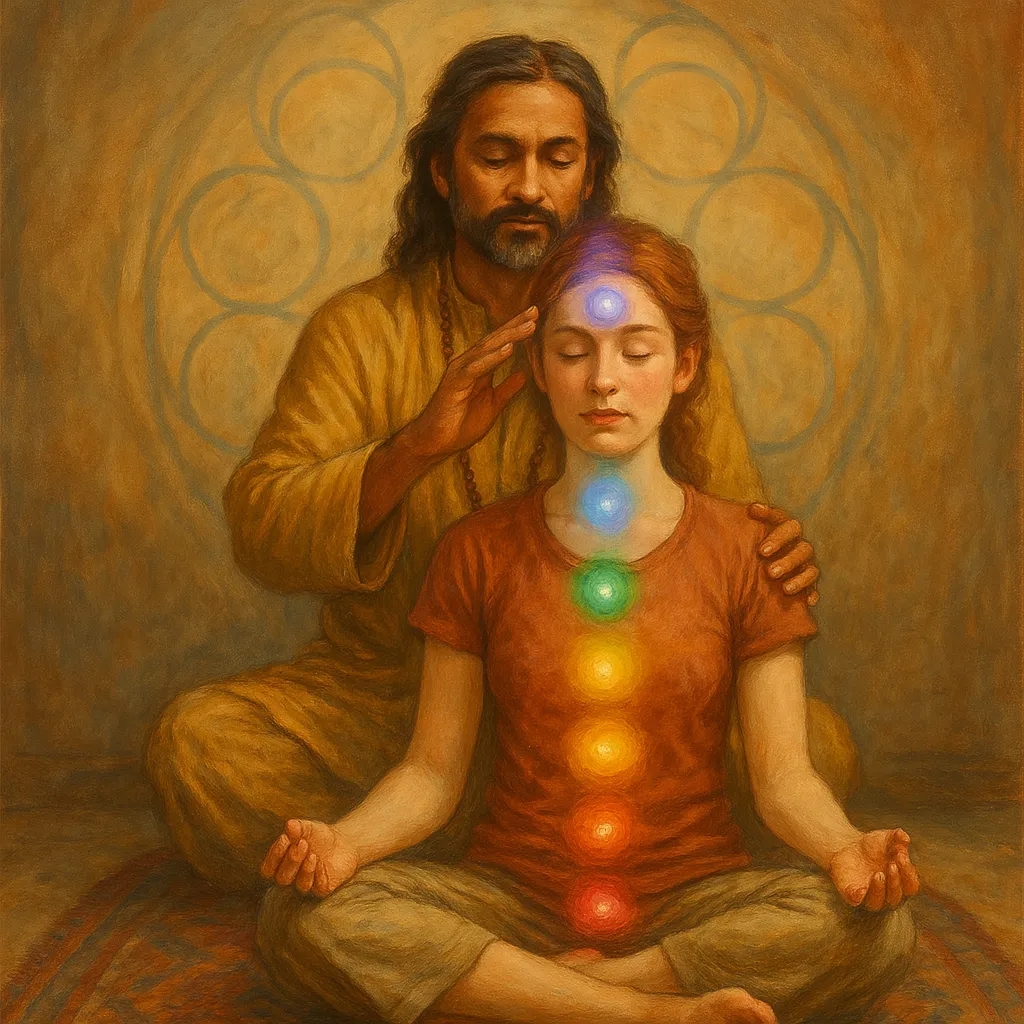
In yoga tradition, chakras are described as spinning wheels of energy inside the body. There are seven main ones, each linked with different emotions and areas of life, from survival instincts to love, speaking up and intuition. This is a spiritual picture, not an anatomical one.
Why Chakra Balancing Matters
Practitioners teach that when chakras are out of balance, life feels off: tired, anxious or overwhelmed. Chakra balancing is meant to realign these energy centers so you feel more grounded and clear-headed. Those effects are what practitioners and clients describe, not measured results.
Signs Your Chakras May Be Out of Balance
In chakra teaching, these are the usual signs:
- Constant fatigue or brain fog
- Feeling stuck emotionally or mentally
- Trouble expressing yourself
- Low self-esteem or confidence
- Physical pain or chronic discomfort
All of these have many everyday and medical causes. If any sound familiar, see a doctor, especially for pain or ongoing tiredness. A session can be an extra, not a replacement.
Preparing for a Chakra Balancing Session
What to Do Before Your Appointment
You do not need to fast, chant mantras or wear crystals on your forehead. Come with an open mind and maybe avoid heavy meals or alcohol beforehand. Staying hydrated helps too.
Setting Intentions
Before the session starts, think about what you want to release or invite into your life. It could be more clarity, working through old hurts or simply feeling more present. Practitioners say your intention guides the work.
Choosing the Right Practitioner
Ask about their training and experience, read reviews, check their website and, most importantly, choose someone you feel comfortable with. You should feel safe and supported.
Types of Chakra Balancing Techniques
Reiki Energy Healing
In Reiki, the practitioner places their hands on or just above your body, with the aim of guiding energy. You might feel warmth or tingling. The US National Center for Complementary and Integrative Health states that Reiki has not been clearly shown to be effective for any health-related purpose.
Sound Therapy
Using singing bowls, tuning forks or gongs, practitioners aim sound vibrations at specific chakras. Many people simply find the sound very relaxing.
Crystal Healing
Different crystals are paired by tradition with different chakras, such as amethyst for the crown or rose quartz for the heart. The practitioner places them on your body to support what they call energetic alignment.
Meditation and Breathwork
Some sessions include guided visualizations or breathwork to help you focus on each chakra. Many people find this calming.
Aromatherapy and Essential Oils
Scents like lavender, frankincense or peppermint are traditionally paired with chakras. They are often diffused or applied to pulse points. If you have sensitive skin or allergies, tell your practitioner first.
The Chakra Balancing Session Explained
Welcoming and Consultation
It usually starts with a short chat. Your practitioner may ask about your energy levels, emotional state or what brought you in, to decide where to focus.
The Physical Setup and Atmosphere
Expect a quiet, dimly lit space with soft music and maybe a hint of incense or essential oils. You lie down fully clothed on a massage table, covered with a blanket if you like.
What You’ll Feel During the Session
Sensations in the Body
Some people report tingling, warmth, coolness or a gentle pressure in certain spots. Practitioners read these as energy moving. Others feel nothing special, and that is fine.
Emotional Releases
Tears, laughter or memories surfacing are common reports. If the session stirs up difficult feelings, tell your practitioner and consider talking to a therapist.
Energetic Shifts
Some people feel like they are floating or deeply relaxed, almost dreamy. Others feel clarity or peace. Everyone’s experience is different.
The Role of the Practitioner
They act as a guide or facilitator, using their training and intuition. They are not there to fix you. They aim to help you feel more connected to your own sense of flow.
After the Session
Immediate Aftereffects
You may feel relaxed, energized or emotional. Drink water, take it easy and give yourself time to settle.
Integration and Self-Care
Journaling, light walks, meditation or resting are common ways to process the experience. Be kind to yourself afterward.
How to Maintain Balance Moving Forward
Practitioners describe balance as a lifestyle rather than a one-time event. Regular self-care, mindfulness and checking in with yourself are the usual suggestions.
Common Myths and Misconceptions
You Need to Be Spiritual
You do not have to hold any particular belief to try a session. Chakra balancing is explained in terms of subtle energy, which science has not measured, so many people treat it as a relaxation ritual.
It’s All in Your Head
Many people say they feel lighter or sleep better after a session, but the energy explanation has not been shown by research, so judge it by how you feel.
One Session Fixes Everything
A single session is unlikely to change everything. Practitioners say consistency matters, and anything that persists belongs with your doctor.
Benefits of Chakra Balancing
Mental and Emotional Clarity
Practitioners and clients say they feel clearer, with less anxiety and steadier emotions. These are personal reports.
Physical Wellness
In chakra teaching, blocked energy can show up as pain or illness. That is a tradition, not a medical explanation, so get pain and illness checked by a doctor.
Spiritual Growth
Whether you are seeking a deeper connection with yourself or the universe, many people say chakra work creates space for reflection and inner peace.
Conclusion
A chakra balancing session is a relaxing, spiritual experience for many people, not a medical treatment. Whether you are new to energy work or a seasoned explorer, go in curious, keep expectations realistic, and see a doctor for anything that worries you.
Frequently asked questions
How long does a chakra balancing session take?
It depends on the practitioner and the method used. Ask when you book so you know what to plan for.
Can I do chakra balancing at home?
Yes. Techniques like guided meditations, breathwork, yoga, and using crystals or essential oils can be done on your own.
How often should I get a session?
There is no fixed rule. Some people book regularly and others go occasionally. Listen to how you feel and talk to your practitioner.
What should I wear during a session?
Comfy, loose-fitting clothes. You’ll stay fully clothed during the session, so dress to relax.
Can chakra balancing help with anxiety?
Many people report feeling calmer and more relaxed after sessions, but it is not a treatment for anxiety. If anxiety is affecting your life, see a doctor or therapist.