
Can Chakra Balancing Help with Anxiety?
The short answer
Chakra balancing may help some people feel calmer, but it has not been shown to work for anxiety. Research on related practices such as meditation and yoga is mixed or inconclusive. It should be a supplement to professional care, never a replacement.
Key points
- Chakras are a spiritual tradition and are not measured by science.
- Mindfulness-based approaches showed mixed short-term results for diagnosed anxiety disorders, with unclear risk of bias, per the NCCIH.
- Reviews of yoga for diagnosed anxiety disorders could not reach firm conclusions.
- Breathwork, meditation, and journaling are simple practices to try at home.
- Talk to a doctor if you have a diagnosed anxiety disorder.
Contents (16)
Introduction to Chakra Balancing
Ever feel like your mind is racing, your chest is tight, and you are just off? That may be anxiety. Some people turn to chakra balancing to feel calmer. This article looks at what it involves and what research says.
What Are Chakras?
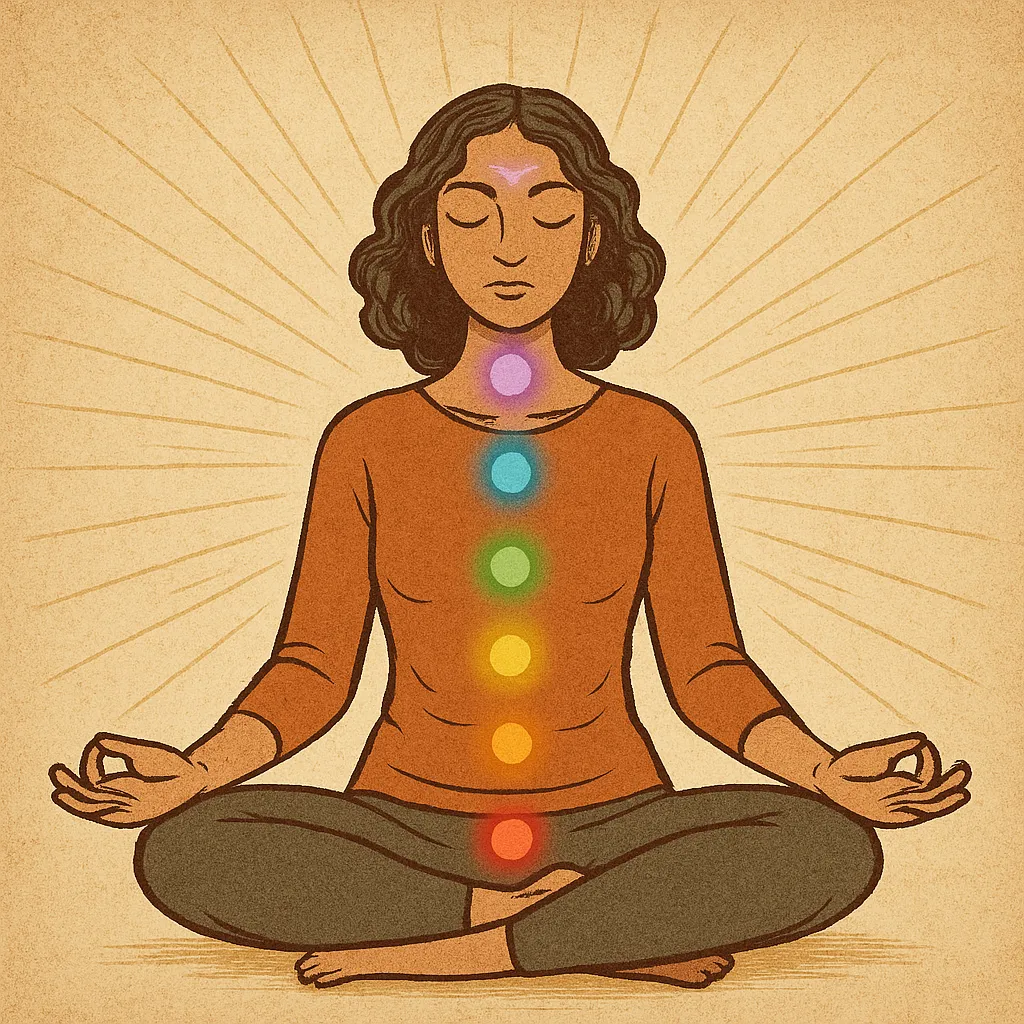
In yoga and other Indian traditions, chakras are described as energy centers in the body, like invisible spinning wheels. There are seven main ones, and tradition links each to different emotions and parts of the body. Chakras are a spiritual concept, not a measured part of human anatomy.
The Concept of Energy Flow in the Body
In holistic traditions, energy flow is central. Practitioners say that if your energy is stuck or blocked in one area, it affects you mentally, emotionally, and physically.
Why People Turn to Chakra Healing for Mental Health
Because it is gentle and non-invasive. It needs no equipment or prescription, just awareness, breath, and maybe a few crystals or essential oils.
Understanding Anxiety
What Exactly Is Anxiety?
Anxiety is your body’s natural response to stress. When it gets too intense or lasts too long, it can affect sleep, focus, and relationships.
Common Symptoms and Root Causes
Symptoms can include:
- Racing heart
- Sweaty palms
- Overthinking
- Trouble sleeping
Causes range from trauma and stress to many other factors. Chakra teaching adds its own explanation, unresolved emotional blocks, which is a belief and not a medical finding.
The Link Between Energy Imbalance and Anxiety
In chakra teaching, energy can get stuck, for example in the heart chakra after a breakup or in the root chakra after a big life change. This is a traditional way of explaining experience, and science has not tested it.
The Seven Main Chakras and Their Roles
Root Chakra (Muladhara): Grounding
Located at the base of your spine. In chakra teaching, a balanced root chakra goes with feeling safe and secure, and a blocked one with fear and insecurity.
Sacral Chakra (Svadhisthana): Emotions
Just below your belly button. Tradition links it with emotions, and a blocked one with mood swings or numbness.
Solar Plexus Chakra (Manipura): Confidence
Upper abdomen area. Tradition links it with your sense of self, and an imbalance with self-doubt.
Heart Chakra (Anahata): Love and Compassion
Middle of the chest. Love, trust, and forgiveness are associated with it.
Throat Chakra (Vishuddha): Communication
In your throat. Tradition links it with expressing yourself.
Third Eye Chakra (Ajna): Intuition
Forehead, between your eyes. It is associated with intuition and seeing the bigger picture. Some practitioners say anxiety flares up when we ignore our inner voice.
Crown Chakra (Sahasrara): Spirituality
Top of the head. It is associated with a connection to something greater.
How Chakra Imbalances Can Contribute to Anxiety
Blocked Energy and Emotional Stress
In chakra teaching, blocked chakras stop energy flowing freely, and anxiety is said to follow.
Overactive vs. Underactive Chakras
Practitioners describe too much energy as restlessness and too little as feeling drained or foggy.
Identifying Anxiety Triggers via Chakra Assessment
Journaling, meditation, and body scans can help you reflect on what feels off.
Chakra Balancing Techniques for Anxiety Relief
Meditation and Visualization
Picture each chakra as a glowing light and breathe into it. Many people find this calming.
Breathwork (Pranayama)
Controlled breathing is a common calming practice. Try alternate nostril breathing or deep belly breathing.
Crystal Healing
Practitioners match amethyst with calm, black tourmaline with grounding, and rose quartz with the heart. Some people find the ritual soothing.
Aromatherapy
Lavender, sandalwood, and frankincense are popular in chakra practice, and many people find the scents relaxing.
Reiki and Energy Healing
A practitioner channels energy toward your chakras. Many people find a session relaxing.
Yoga for Chakra Activation
In yoga tradition, certain poses are linked with specific chakras: child’s pose with grounding and camel pose with the heart, for example.
How to Know If Your Chakras Are Out of Balance
In chakra teaching, these are common signs. They are also common in everyday life.
Emotional Signs
- Irritability
- Sadness
- Restlessness
Physical Symptoms
- Digestive issues
- Headaches
- Tension in the neck or shoulders
Spiritual Disconnect
Feeling stuck, uninspired, or “off” without knowing why? Practitioners say this is a sign your chakras need attention.
Real-Life Benefits of Chakra Balancing
People who practice chakra work often report the following. These are personal reports, not research findings.
Inner Peace and Emotional Stability
Many people say regular chakra work leaves them calmer and less reactive.
Improved Mental Clarity and Focus
Practitioners say clearing energy blocks helps concentration.
Greater Sense of Control Over Anxiety
Some people say they feel more in charge of their emotions instead of at their mercy.
How to Start Your Chakra Healing Journey
DIY Techniques vs. Professional Help
Start small with home practices or seek out a certified energy healer for guided sessions.
Tools and Resources for Beginners
YouTube meditations, books like “Eastern Body, Western Mind,” or guided chakra apps.
Integrating Chakra Healing with Traditional Therapy
Energy work can complement therapy, not replace it. Talk to your therapist if you are considering combining both.
What Science Says About Chakra Balancing
Research on Mind-Body Practices
The National Center for Complementary and Integrative Health summarizes two analyses of mindfulness-based approaches. A 2018 analysis of people with diagnosed conditions such as anxiety or depression found they were better than no treatment and worked as well as established treatments. A 2021 analysis of adults with diagnosed anxiety disorders showed mixed short-term results. The NCCIH cautions that the risk of bias in those studies was unclear and that the few studies lasting beyond 2 months found no long-term effects. For yoga, the NCCIH notes that a 2021 review of people with diagnosed anxiety disorders identified some promising results but could not reach conclusions, because not enough rigorous studies had been done. Neither source studies chakra balancing itself.
Holistic Approaches to Mental Health
Chakra work fits the wider interest in caring for the whole person.
Limitations and Considerations
It is not a replacement for medical help.
Myths and Misconceptions About Chakra Healing
It’s Not Just Woo-Woo
Chakras come from ancient Indian spiritual practice, which does not make them scientifically proven.
You Don’t Need to Be “Spiritual” to Benefit
No incense or chanting is required, just breathing and quiet attention.
It’s a Complement, Not a Replacement
Chakra work is one tool in a big toolbox. Use it alongside other healthy habits and proper care.
Tips for Consistent Chakra Work
Create a Daily Ritual
Even five minutes a day can become a routine.
Track Your Emotional Progress
Journal how you feel before and after meditating.
Stay Open to Change
Your feelings will shift, and that is normal.
Final Thoughts on Chakra Balancing and Anxiety
So, can chakra balancing help with anxiety? It may help some people feel more grounded and calm, but it will not erase your problems, and research does not show it works for anxiety. If you feel overwhelmed and nothing seems to help, talk to a doctor or therapist first, and consider chakra work as a gentle extra.
Frequently asked questions
How long does it take for chakra balancing to help with anxiety?
Some people say they feel calmer right away, while others notice change only with consistent practice over weeks. There is no research that gives a reliable timeline for chakra balancing itself.
Can I balance my chakras on my own?
Yes. Guided meditations, yoga, and breathwork are common ways to start at home.
Do I need crystals or fancy tools to balance my chakras?
No. Crystals can be part of a practice if you enjoy them, but many people rely on breath, awareness, and intention alone.
Is chakra balancing safe for everyone?
It is non-invasive and gentle, but it can bring up strong emotions in some people. Always consult a doctor if you have a diagnosed anxiety disorder.
Can chakra balancing replace medication for anxiety?
No. It is a supportive practice, not a substitute. Talk to your healthcare provider before making any changes.