
Can Chakra Balancing Improve Physical Health?
The short answer
Chakra balancing has not been shown to improve physical health. Chakras are part of a spiritual tradition, not a measured part of the body. Related practices such as yoga and meditation have some research behind them, but the results are mixed and often modest.
Key points
- Chakras come from spiritual tradition and are not measured by medical science.
- Chakra teaching links each chakra with organs and glands, but this is a belief.
- A 2022 review found yoga only slightly better than no exercise for low-back pain.
- Mindfulness-based stress reduction was linked with lower blood pressure, but few studies were high quality.
- Chakra practices can complement medical care but should not replace it.
Contents (7)
Chakra balancing comes from ancient Eastern traditions, and many people use it for relaxation and a sense of well-being. A common question is whether aligning your energy centers has any effect on the body.
Here is how chakra balancing works, what the traditions say about the body, and what research does and does not show.
What Are Chakras, and Why Do They Matter for Physical Health?
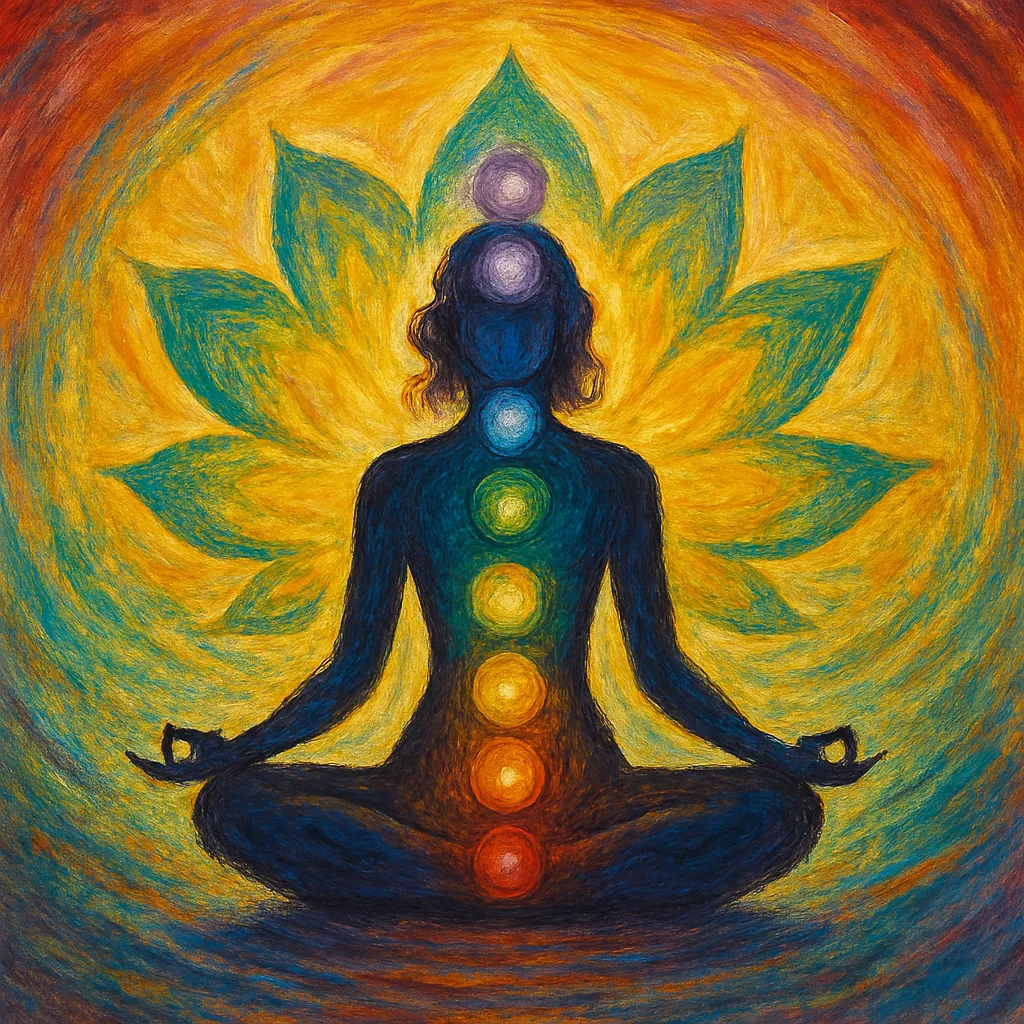
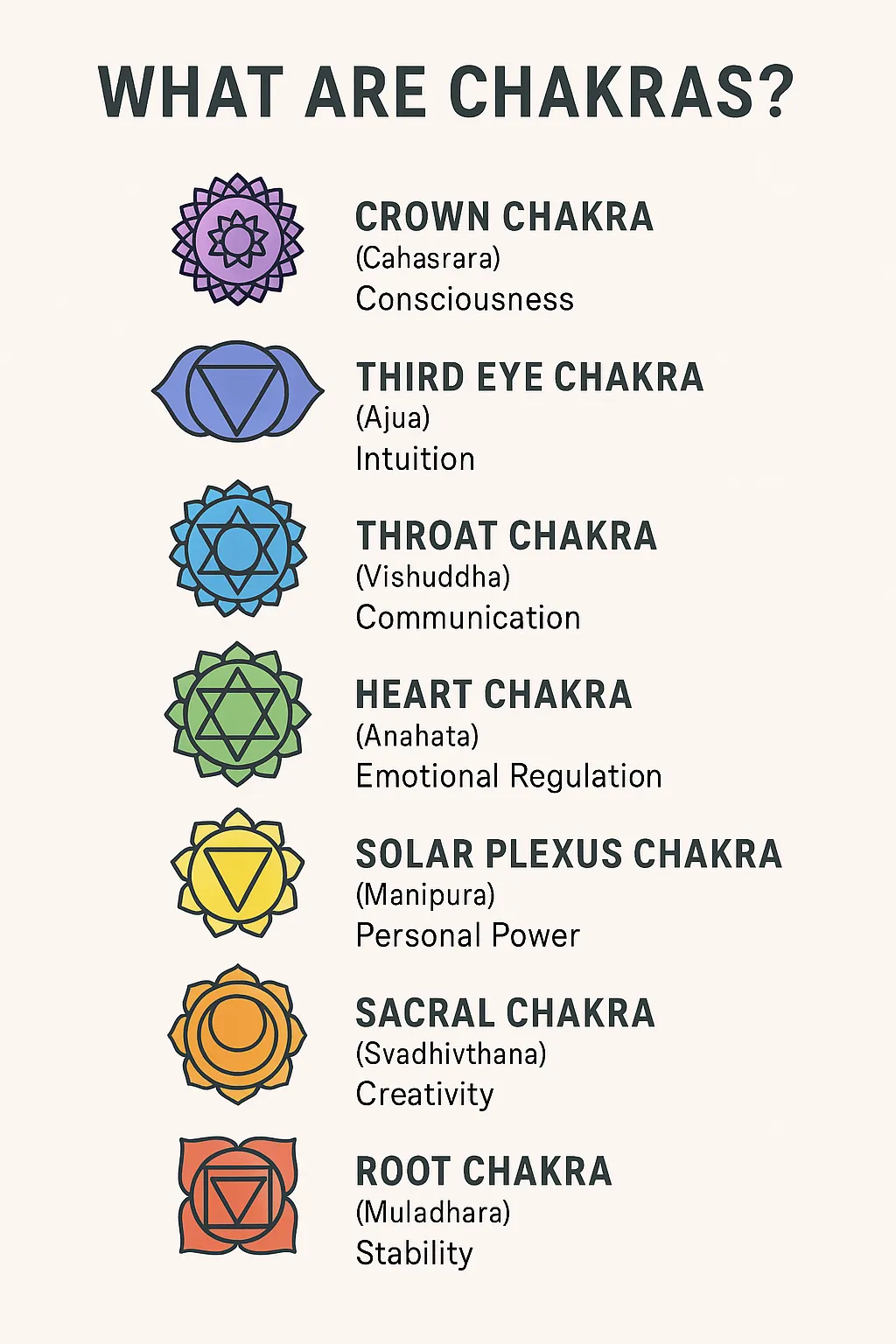
Chakras are believed to be spinning centers of energy, running from the base of the spine to the crown of the head. In chakra teaching, each of the seven primary chakras is connected to specific organs, glands, and bodily functions. Followers say that imbalances in energy flow may correspond to physical symptoms such as fatigue or digestive issues. These links come from tradition and have not been established by medical science.
-
Root Chakra (Muladhara): In tradition, linked to the adrenal glands, lower back, and legs, and to stability and survival.
-
Sacral Chakra (Svadhisthana): Linked to the reproductive system, kidneys, and creativity.
-
Solar Plexus Chakra (Manipura): Linked to digestion, metabolism, and personal power.
-
Heart Chakra (Anahata): Linked to the heart, lungs, and emotional life.
-
Throat Chakra (Vishuddha): Linked to the thyroid gland and communication.
-
Third Eye Chakra (Ajna): Linked to the brain, pituitary gland, and intuition.
-
Crown Chakra (Sahasrara): Linked to consciousness, the nervous system, and spiritual connection.
Physical Benefits of Chakra Balancing
Chakra work is often seen as emotional or spiritual. Practitioners also describe physical effects, listed below as they describe them. Treat these as beliefs and personal reports, not proven benefits.
1. Energy and Vitality
Practitioners say blocked chakras cause energy stagnation, which they link with fatigue or low motivation. In this view, when your energy centers are aligned, your prana, or life force, flows more freely. Many people say they feel a lift in energy after practice.
2. Stress and the Immune System
Relaxation practices like meditation and breathwork are widely used to calm down. Whether chakra balancing itself affects immunity has not been shown, and this article does not claim it does.
3. Organ Health
In chakra teaching, each chakra is tied to specific organs. A balanced solar plexus chakra is said to go with better digestion, for example. These are traditional associations. They are not medical findings.
4. Pain and Tension
In chakra teaching, energy blockages gather as physical pain, especially in the back, shoulders, or joints. People use sound healing, Reiki, or crystal therapy to release such tension. Many report feeling relaxed afterward.
5. Sleep and Hormonal Balance
Chakras are traditionally associated with the endocrine system, and practitioners say balancing them supports sleep and mood. Practices such as Kundalini yoga and focused breathing are popular for calming an overactive mind.
How Chakra Balancing Works: Techniques That Target the Body
Chakra therapy can sound abstract, but it uses practical tools. Some popular techniques include:
-
Meditation and Breathwork: Directs awareness to specific chakras. Many people find it calming.
-
Yoga Poses: Practitioners link postures like Cobra (Heart Chakra) or Warrior (Root Chakra) with related organs and glands.
-
Sound Therapy: Tibetan bowls or tuning forks are used by practitioners who say the sounds clear blockages.
-
Crystal Healing: Stones like amethyst (Third Eye) or citrine (Solar Plexus) are placed on the body, and practitioners say they harmonize vibrational frequencies.
-
Energy Healing (Reiki): Practitioners say they channel energy through the hands.
These methods relax the mind for many people.
Is There Scientific Support?
Chakra systems are not part of conventional medicine, and chakra balancing itself has not been shown to change physical health. Research exists on related practices, with limits:
-
Meditation and blood pressure: the National Center for Complementary and Integrative Health (NCCIH) reports that mindfulness-based stress reduction was associated with a significant reduction in blood pressure in people with health conditions, but few high-quality studies exist.
-
Yoga and back pain: the NCCIH describes a 2022 review of 21 studies that found yoga slightly better than no exercise for low-back pain, but the small difference may not be important to patients.
Chakra locations sit near major glands and nerve clusters, which is part of why the tradition links them. That similarity is a point of tradition, not evidence of a connection.
When to Consider Chakra Healing
Persistent symptoms such as these deserve a medical check first:
-
Persistent fatigue or low energy
-
Unexplained physical pain or discomfort
-
Frequent illness or weakened immunity
-
Digestive or reproductive issues
-
Sleep disturbances or hormonal irregularities
Once a doctor has looked at them, practices such as guided meditation, energy healing sessions, or yoga can be a gentle, relaxing addition to your routine.
Final Thoughts: Energy Flow = Health Flow
Chakra balancing is a spiritual practice that many people find relaxing. It is not a proven way to improve physical health, and it works best next to proper medical care.
Frequently asked questions
Can chakra balancing replace medical treatment?
No. It can be a complementary practice alongside medical care, but it is not a substitute for it.
How often should I balance my chakras?
There is no research-based schedule. Many people start with once a week and adjust to what feels right for them.
What are the signs that my chakras are blocked?
In chakra teaching, fatigue, anxiety, physical tension, and feeling "off" are said to be clues. These are also common signs of everyday stress or health problems, so see a doctor if they persist.
Can I balance chakras without spiritual beliefs?
Yes. Many people treat it as a simple self-care routine. Belief is not required, just openness.
Are there any risks to chakra balancing?
The practices themselves are generally gentle. But if you uncover intense emotions, consider support from a trained therapist or healer, and do not delay medical care for physical symptoms.