
What Are the Benefits of Chakra Balancing?
The short answer
People who practice chakra balancing most often say it leaves them calmer, more focused and more connected. Chakras are an idea from yoga tradition, so these are personal reports rather than proven medical benefits. The relaxing parts of the practice, such as meditation and breathing, are where research on related approaches is found.
Key points
- Chakra balancing is a spiritual practice, and its benefits are mainly personal reports.
- Practitioners describe calmer emotions, clearer focus and a sense of connection.
- Meditation research suggests mindfulness may improve sleep quality compared with education-based treatments.
- Yoga, meditation, sound and color are the most common ways to practice.
- Ongoing pain, low mood or fatigue should be checked by a doctor.
Contents (10)
Introduction to Chakras
What Are Chakras?
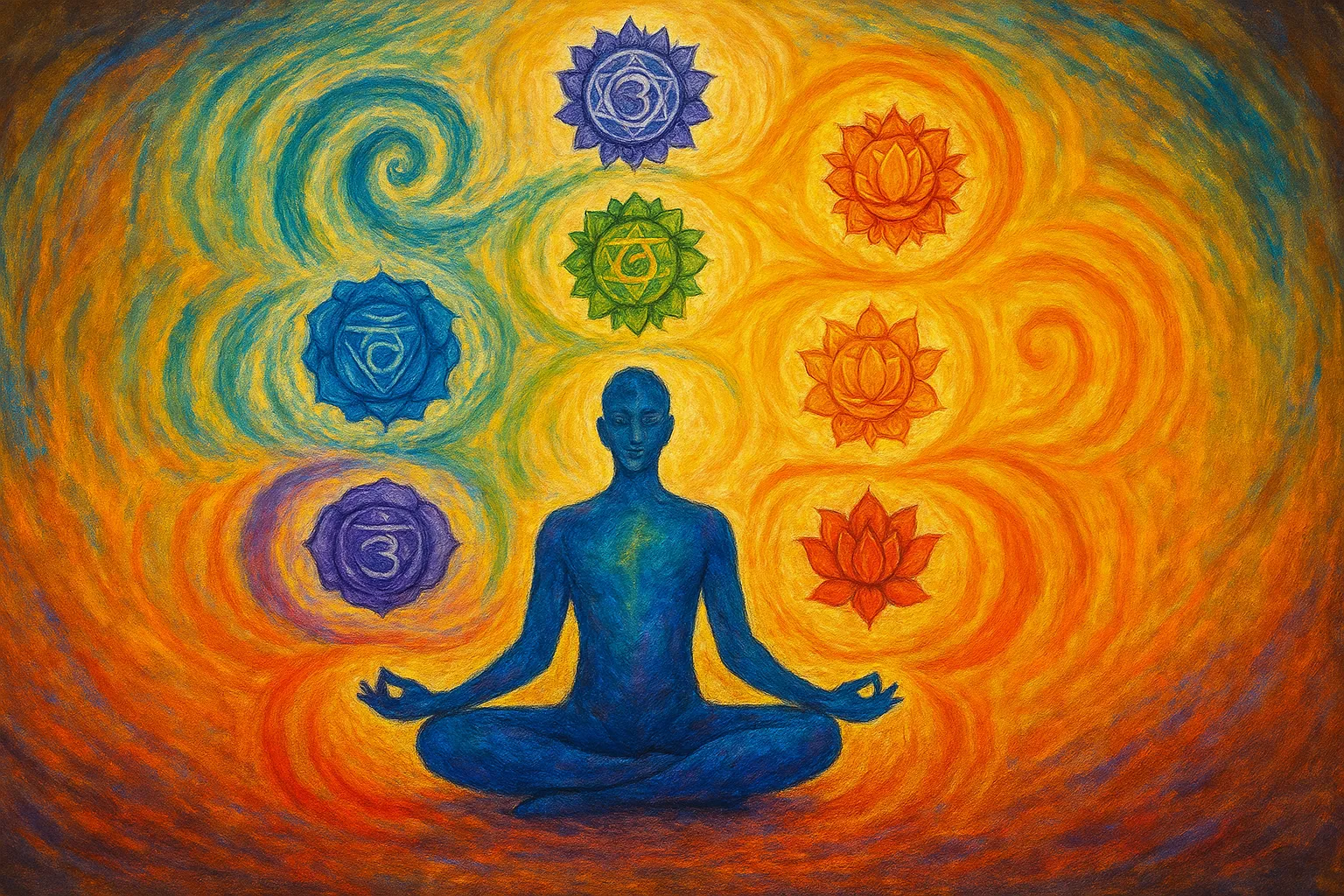
Imagine your body as a house with seven major power circuits. In yoga tradition, these are the chakras, energy centers that run from the base of your spine to the crown of your head. Each chakra is linked with different parts of physical, emotional and spiritual wellbeing. This is a traditional picture, not an anatomical one.
A Quick Look at the 7 Main Chakras
- Root Chakra (Muladhara): Safety and grounding
- Sacral Chakra (Svadhisthana): Creativity and pleasure
- Solar Plexus Chakra (Manipura): Confidence and control
- Heart Chakra (Anahata): Love and compassion
- Throat Chakra (Vishuddha): Communication and truth
- Third Eye Chakra (Ajna): Intuition and insight
- Crown Chakra (Sahasrara): Spiritual connection
Why Chakras Need Balancing
Like Wi-Fi signals, chakras are said to be able to weaken or become blocked. In chakra teaching, that is when you feel off, whether physically, emotionally or spiritually. Balancing the chakras is meant to let energy flow freely again.
The Science and Spirituality Behind Chakra Balancing
Is There Scientific Evidence?
The chakra system comes from ancient energy systems and are a traditional framework rather than a medical one. Research exists for related practices. The US National Center for Complementary and Integrative Health reports that mindfulness meditation practices improved sleep quality more than education-based treatments, with effects similar to cognitive behavioral therapy and exercise. That page covers mindfulness meditation in general, not chakra balancing.
Chakra Balancing in Different Cultures
From Ayurvedic medicine in India to traditional Chinese Qi practices, many cultures have ideas about energy moving through the body.
Physical Benefits of Chakra Balancing
Feeling More Resilient
Practitioners say that when stress eases and energy flows well, they feel more resilient.
Better Sleep Patterns
Overthinking? Restless nights? In chakra teaching, blocked chakras are linked with a busy mind, especially the third eye and crown chakras. Practitioners say balancing them helps calm the mind.
Enhanced Energy Levels
Ever feel drained for no reason? In chakra teaching, tiredness is linked with the root and solar plexus chakras. Practitioners say that when energy moves freely, natural vitality returns, and coffee becomes optional.
Mental and Emotional Benefits
Reduced Stress and Anxiety
Practitioners say balancing the chakras helps them feel more at ease and in control. Think of it as resetting your emotional hard drive.
Improved Focus and Clarity
In chakra teaching, the third eye chakra is linked with clarity, so an imbalance is said to feel like foggy thinking. Practitioners say that once it is tuned up, they think more sharply.
Emotional Stability and Calmness
If your emotions feel like a roller coaster, chakra teaching points to the heart or sacral chakras. Practitioners say balance brings calm, peace and emotional resilience.
Spiritual Growth and Awareness
Feeling More Connected
In chakra teaching, the crown and heart chakras are linked with connection, to yourself, to others and to something greater. Many people describe the effect as grounding.
Boosted Intuition
Practitioners say chakra balancing makes their inner voice louder and clearer.
Personal Transformation
Practitioners often say that when the chakras align, personal growth speeds up and they feel they are stepping into their real selves.
Everyday Life Benefits
Better Decision Making
When your mind, heart and gut feel in harmony, decisions can feel easier.
Healthier Relationships
In chakra teaching, a balanced throat and heart help you communicate better, set boundaries and love without attachment.
Increased Self-Confidence
A balanced solar plexus chakra is like having your inner hype squad. Practitioners say they feel empowered and capable.
How to Balance Your Chakras
Meditation and Visualization
Close your eyes. Visualize energy spinning in each chakra, using the color that corresponds to it (red for root, orange for sacral, and so on). It is a simple practice that many people find relaxing.
Yoga for Chakra Healing
Yoga poses are traditionally paired with different chakras. Tree pose is linked with the root, cobra with the heart and child’s pose with the third eye. Practice with intention and notice how you feel.
Using Crystals, Essential Oils, and Sound Therapy
Crystals like amethyst or citrine are said by practitioners to amplify energy.
Oils like lavender or frankincense are used to calm or energize.
Sound: Singing bowls, tuning forks or even your own voice are used to work with what practitioners call vibrational energy.
Common Signs Your Chakras Are Out of Balance
In chakra teaching, these signs point to an imbalance. They are also common in everyday life and can have medical causes, so they are not a diagnosis.
Physical Symptoms
- Fatigue
- Headaches
- Digestive issues
- Chronic pain
Emotional Red Flags
- Anxiety
- Low mood
- Mood swings
- Overwhelm or lack of motivation
How Often Should You Balance Your Chakras?
There is no one-size-fits-all. Some people do daily energy check-ins, while others balance weekly or monthly. Trust your body. If something feels off, speak to a doctor first and treat chakra work as an extra.
Conclusion
Chakra balancing is a spiritual practice, and its benefits are mostly personal reports. Many people find it a calming way to take a moment for themselves, and it can sit alongside proper medical care when you need it.
Frequently asked questions
What happens when chakras are blocked?
In chakra teaching, a blocked chakra is linked with physical tension, emotional imbalance, fatigue or a general feeling of being "off". These feelings have many everyday causes, so see a doctor if they continue.
Can chakra balancing help with depression or anxiety?
Some people say it helps them feel calmer and clearer, but it is not a treatment for depression or anxiety. If you are struggling, see a doctor or therapist, and use chakra work only as an addition.
Do I need a practitioner to balance my chakras?
Not necessarily. Many people start on their own using guided meditations, yoga or crystals. Some people prefer a practitioner for guidance.
How long does it take to feel the effects?
Some people say they feel lighter and calmer right away. Others practice regularly for a few weeks before noticing a change, and some notice nothing.
Is chakra balancing safe for everyone?
It is a gentle, non-invasive practice, but it is not a replacement for medical care. If you have a health condition, or a history of trauma, talk to your doctor or therapist first.